
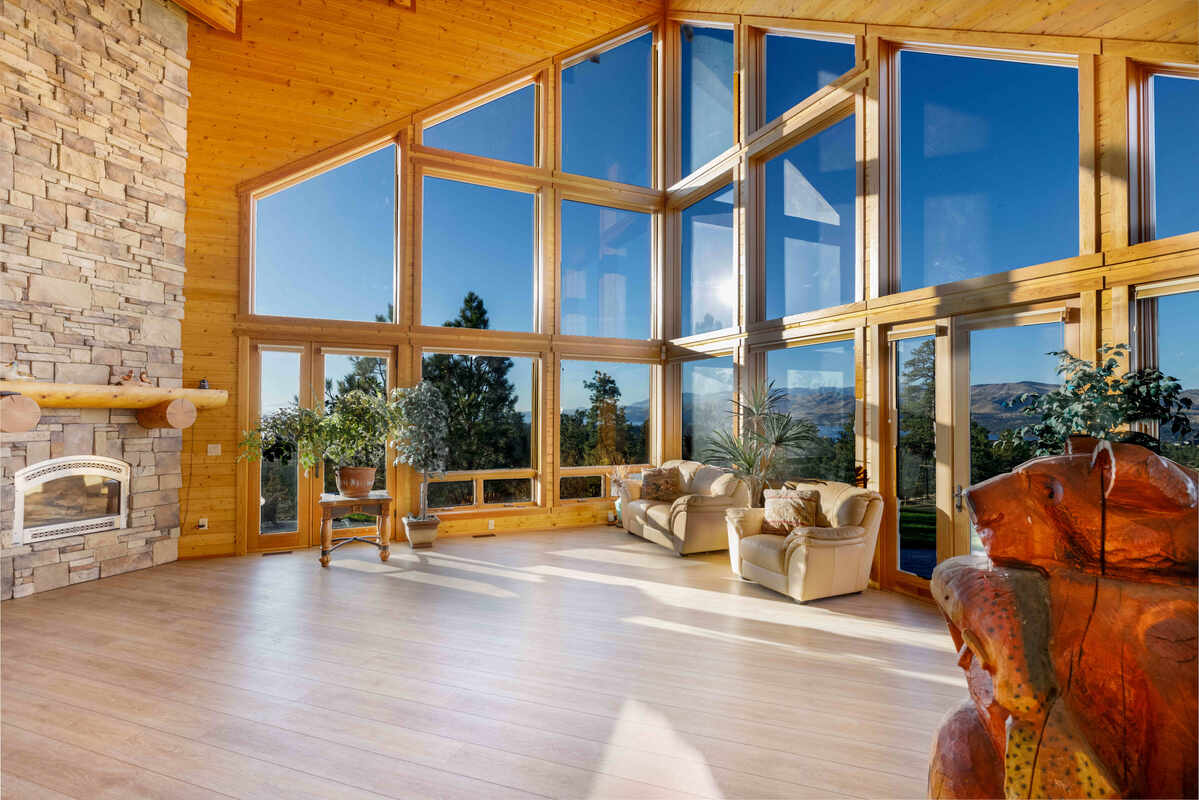
How Residential Window Film Reduces Heat Without Replacing Windows
Does one room in your home always feel hotter than the others? Maybe your living room becomes uncomfortable every afternoon, your upstairs bedroom never seems to cool down, or you find yourself closing the blinds just to escape the glare.
If your windows are still in good condition, replacing them may not be necessary. Residential window film can help reduce the amount of solar heat entering through the glass, making your home more comfortable while preserving natural light.
In this guide, you'll learn how residential window film works, what performance ratings matter, how it compares to window replacement, and what to consider before choosing the right solution for your home.
Why Rooms Heat Up Through Their Windows
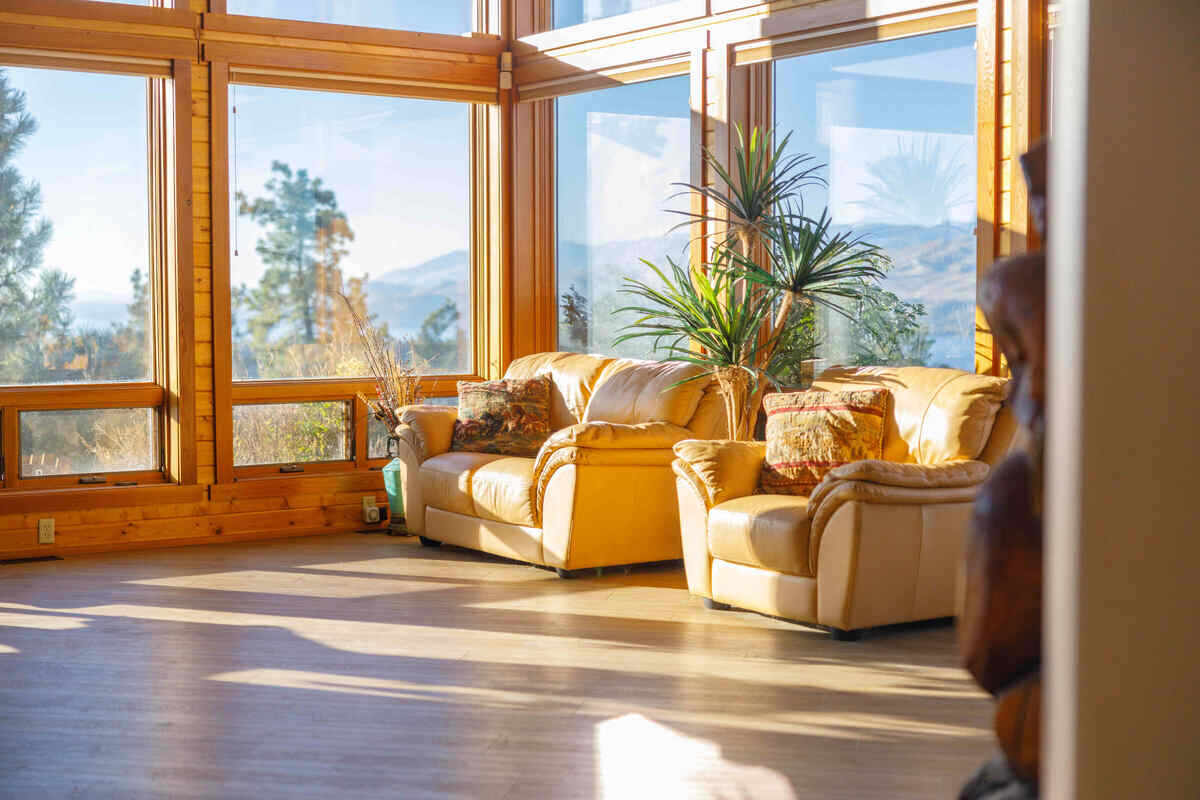
If you've ever walked into one room that feels noticeably warmer than the rest of the house, even though the thermostat hasn't changed, your windows may be a major reason why.
Glass is designed to let natural light into your home, but it also allows a significant amount of solar energy to pass through. Once that energy enters the room, it interacts with everything it touches, from hardwood floors and countertops to furniture and walls. Those surfaces absorb the energy and gradually release it as heat, causing the room to become warmer over the course of the day.
Understanding how this process works makes it easier to understand why residential window film can help.
Solar Energy Is More Than Just Sunlight
When sunlight reaches your windows, it carries three primary forms of energy.
Visible light is the part you can see. It brightens your rooms and creates the natural daylight most homeowners want to preserve.
Infrared energy is responsible for much of the heat you feel when sunlight streams through a window.
Ultraviolet (UV) radiation contributes to the fading of furniture, flooring, artwork, and other interior finishes over time.
These forms of energy arrive together. While natural light makes a home feel open and inviting, infrared heat and UV exposure can create unwanted side effects if too much solar energy enters through the glass.
Why Sunlight Makes a Room Feel Hotter
Many homeowners assume the glass itself becomes the primary heat source. In reality, the process is more complex.
As sunlight enters through the window, it strikes the floors, furniture, walls, and other surfaces throughout the room. Those materials absorb solar energy and gradually release it as heat into the surrounding air. As the afternoon progresses, the room stores more heat than it can easily release, making it feel warmer and less comfortable.
This is why a room can continue feeling hot even after direct sunlight has moved away from the window.
Window Direction Plays a Bigger Role Than Most Homeowners Realize
Not every window receives the same amount of sunlight. A large east-facing window may fill a breakfast room with intense morning sun. South-facing windows often receive consistent sunlight throughout much of the day. In many Metro Atlanta homes, west-facing windows create the greatest challenge because they receive strong afternoon sun during the hottest part of the day.
Imagine a two-story family room with expansive west-facing glass. By late afternoon, sunlight has been pouring into the space for hours. The hardwood floors have absorbed that energy, the furniture feels warm to the touch, and the air conditioner works harder just to maintain the thermostat setting. The room may technically be the same temperature as the rest of the home, yet it feels far less comfortable because radiant heat continues to build throughout the space.
This is a common pattern in homes with open floor plans, large windows, and limited exterior shading.
Why Your Air Conditioner Can't Stop Solar Heat at the Window
Your HVAC system cools the air inside your home. It does not prevent solar energy from entering through the glass in the first place. As long as sunlight continues passing through the window, the room continues gaining heat. The air conditioner responds by working harder to remove that heat after it has already entered the home.
That is why simply lowering the thermostat often provides only temporary relief. The source of the problem remains unchanged. Residential window film approaches the problem differently. Instead of treating the heat after it enters the room, it helps manage solar energy at the window before as much of it becomes indoor heat. Understanding that difference is the key to understanding how modern solar control films work.

How Does Window Film Reduce Heat?
Residential window film reduces heat by changing how solar energy moves through the glass. When sunlight reaches a window, some energy is reflected, some is absorbed, and the rest passes into the room. Solar control film changes that balance so that less heat enters the home.
Reflection Sends Some Solar Energy Back Outside
Certain films reflect part of the sun’s energy away from the glass. This helps reduce the amount of heat that reaches the room.
Reflectivity varies by product. Some films create a more noticeable exterior appearance, while others are designed to remain subtle.
Absorption Holds Part of the Energy in the Glass
Window film can also absorb part of the incoming solar energy. That energy is then released through the glass rather than passing directly into the room. Because different types of glass respond differently to absorbed heat, the film must be compatible with the window system.
Transmission Controls What Still Enters the Home
No residential film stops all solar energy. A certain amount of heat and visible light still passes through the glass. The goal is to reduce enough solar gain to improve comfort while preserving the level of natural light and appearance you want.
Heat Control Does Not Always Require Dark Film
Modern window films can reduce solar heat without making a room feel noticeably dark. Some films prioritize stronger heat control. Others allow more visible light to pass through. The right choice depends on the window direction, room use, glass type, and appearance preferences.
The best film is not simply the darkest option or the one with the highest advertised number. It is the one that provides the right balance of heat reduction, daylight, glare control, and glass compatibility for your home.
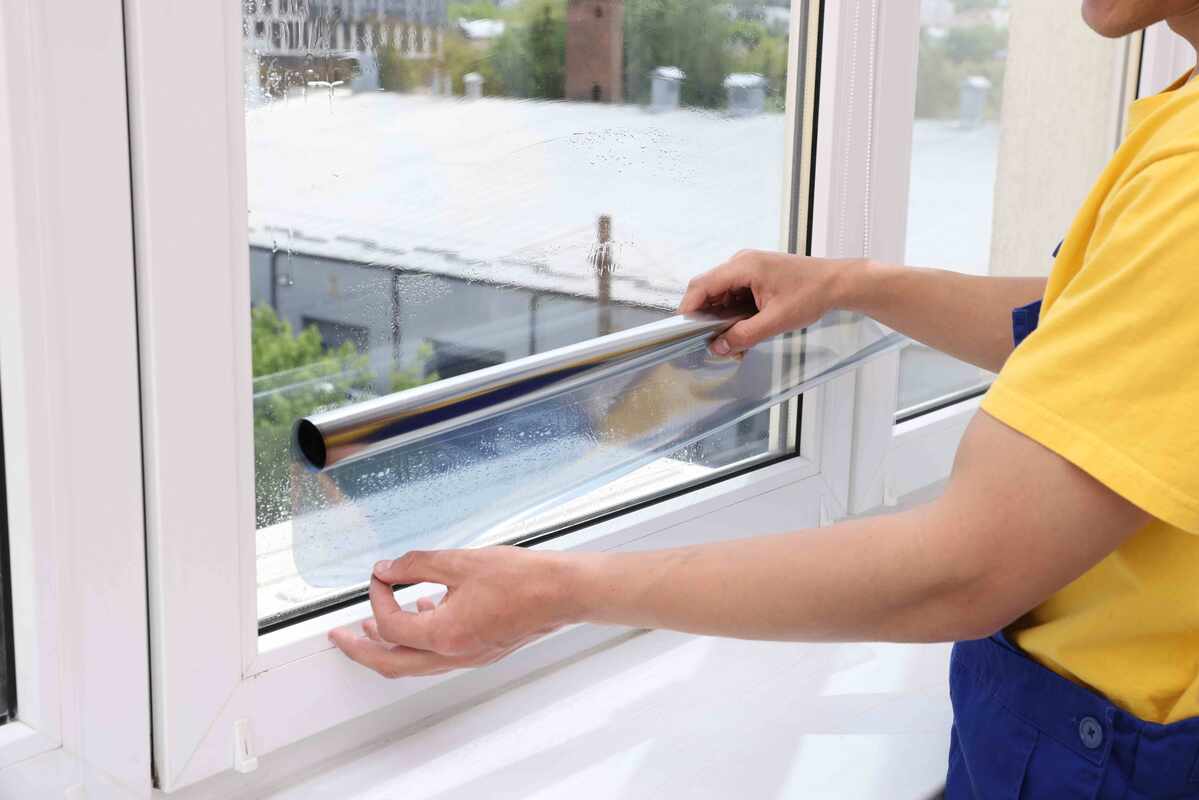
The Four Window Film Performance Ratings Every Homeowner Should Understand
Window film specifications can quickly become confusing. One product may advertise strong infrared rejection. Another may focus on visible light. A third may highlight overall solar performance.
The problem is that no single percentage tells you how the film will look or perform in your home. To compare residential window films more clearly, focus on these four ratings together.
Total Solar Energy Rejected (TSER)
TSER measures how much of the sun’s total energy is rejected by the glass-and-film system. It includes energy that is reflected away and energy that is absorbed and released outward rather than transmitted directly into the room. Because it looks at total solar energy, TSER is one of the most useful indicators of overall heat-control performance.
A higher TSER generally means less solar heat enters the home. However, stronger heat control may also affect brightness, reflectivity, or the appearance of the glass.
Visible Light Transmission (VLT)
VLT measures how much visible light passes through the window. A higher VLT allows more natural light into the room. A lower VLT reduces brightness and creates a darker appearance.
This rating matters when you want to reduce heat without losing the open, bright feel of your home. A west-facing media room may benefit from a lower VLT to control glare. A kitchen or living room may need a lighter film that preserves more daylight.
Infrared Rejection (IR)
Infrared rejection measures how well a film reduces part of the infrared energy associated with the heat you feel from direct sunlight.
This number can be useful, but it should not be viewed on its own. Infrared energy represents only part of the total solar spectrum, and testing methods can vary between products.
Two films may advertise similar infrared rejection while delivering different overall heat control, glare reduction, or natural-light retention.
Solar Heat Gain Coefficient (SHGC)
SHGC measures how much solar heat passes through the complete window system. The value is usually shown as a number between zero and one. Lower values generally indicate that less solar heat enters through the glass.
This rating is especially useful when comparing different glazing systems, window films, or replacement-window options. It also reinforces an important point: film performance depends on the existing glass, not the film alone.
Why These Ratings Must Be Compared Together
A film with strong heat control may reduce more visible light. A lighter film may preserve the view and brightness while providing more moderate solar control. Another option may increase daytime privacy but create a more reflective exterior appearance.
The right choice depends on what matters most in the room:
Heat reduction
Natural-light retention
Glare control
Exterior appearance
Privacy
Glass compatibility
The best residential window film is not the one with the highest number on a brochure. It is the one that delivers the right balance for your windows, your rooms, and the way you use your home.
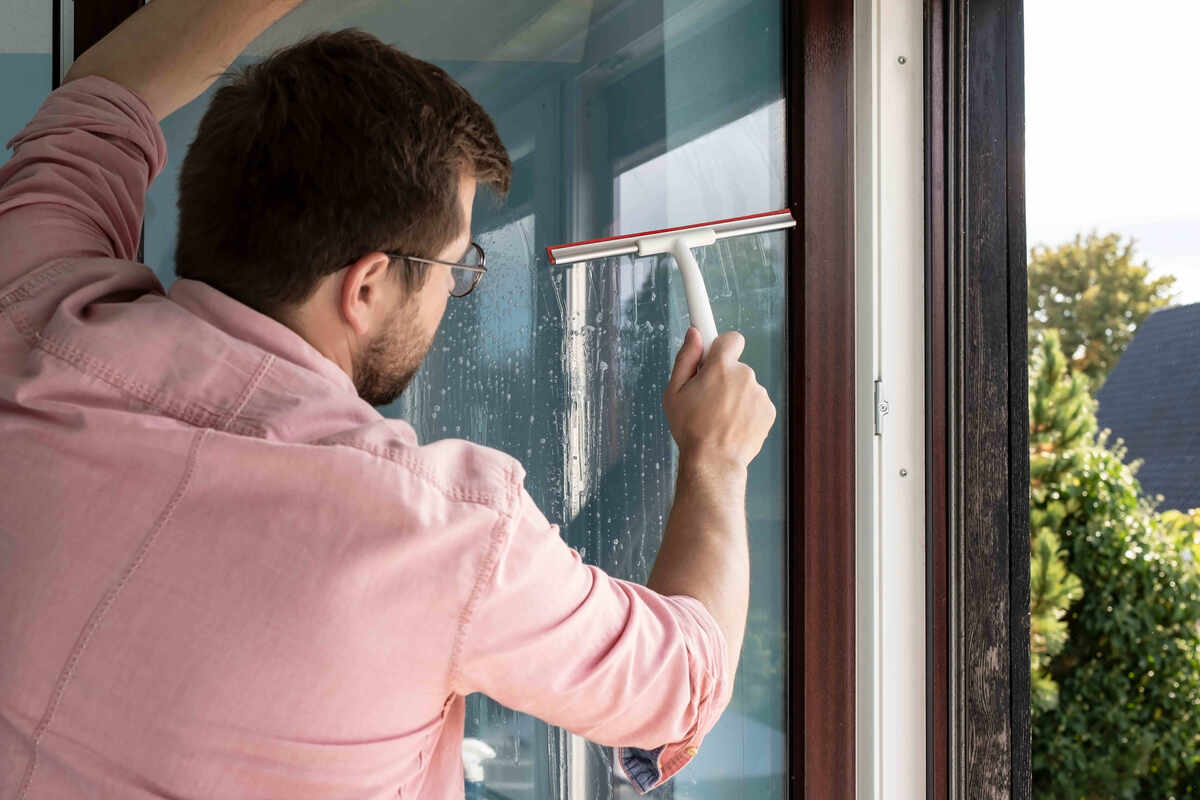
Does Heat-Reducing Window Film Make a Home Look Dark?
Not necessarily. Residential window film comes in different shades and performance levels. Some films create a darker or more reflective appearance. Others are designed to reduce solar heat while preserving much of the natural light.
The key is understanding that darkness and heat reduction are not the same thing. A darker film may reduce more visible light, but it is not automatically the best option for heat control.
Modern solar control films can balance:
Heat reduction
Natural-light retention
Glare control
Daytime privacy
Exterior appearance
The right choice depends on the room and how you use it. A west-facing media room may need more glare control. A bright kitchen may need a lighter film that keeps the space open and comfortable.
Before choosing, review film samples on the actual window from both inside and outside. Glass type, window direction, lighting, and reflections can all affect the final appearance.
The goal is not to make your windows look tinted. It is to reduce unwanted heat while preserving the view, brightness, and character of your home.

What Improvements Can Residential Window Film Provide?
Residential window film is designed to address several common challenges caused by untreated glass. While results vary depending on the film, window type, and amount of sun exposure, many homeowners notice improvements in comfort and the overall usability of their living spaces.
More Comfortable Rooms Throughout the Day
One of the most noticeable benefits is a more consistent indoor temperature. Rooms with large windows or direct afternoon sun often become uncomfortable long before the rest of the house. By reducing the amount of solar heat entering through the glass, window film can help minimize these hot spots and make the space more enjoyable throughout the day.
This is especially valuable in:
Upstairs bedrooms
Home offices
Sunrooms
Living rooms with large windows
West-facing kitchens and family rooms
Reduced Glare Without Closing the Blinds
Glare can make it difficult to watch television, work on a computer, or simply relax in a bright room. Many homeowners respond by closing blinds or curtains, but that also blocks the natural light they enjoy. Window film helps reduce glare while allowing daylight to remain part of the room, creating a more comfortable balance between brightness and visibility.
Better Protection for Interior Furnishings
Constant sun exposure can gradually fade hardwood floors, furniture, rugs, artwork, and other interior finishes. While no solution can completely stop natural aging, residential window film can help reduce one of the primary contributors to fading by limiting the amount of ultraviolet radiation that enters through the glass. This helps preserve the appearance of the spaces you've invested in over time.
Reduced Cooling Demand
When less solar heat enters your home, your air conditioning system doesn't have to work as hard, which may help reduce your cooling bills during the warmer months. That doesn't guarantee lower utility bills, since energy use depends on many factors such as your home's insulation, HVAC system, thermostat settings, and window exposure. However, reducing solar heat gain can help lessen the cooling load during warmer months.
Greater Everyday Comfort
Perhaps the biggest improvement is one that's difficult to measure. Instead of avoiding certain rooms every afternoon, adjusting blinds throughout the day, or constantly lowering the thermostat, your home simply feels more comfortable.
For many homeowners, that's the real value of residential window film. It helps them enjoy the natural light they wanted when they bought the home without the heat and glare that often come with it. That outcome aligns with what many long-term homeowners are looking for: a brighter, more comfortable home without replacing perfectly functional windows.

Window Film vs. Window Replacement: Which Makes More Sense?
Many homeowners assume that if their home feels too hot, replacing the windows is the only long-term solution. In some cases, that's true. However, if your existing windows are still in good condition, replacing them may not be necessary to improve comfort.
Residential window film and replacement windows solve different problems. Understanding that difference can help you choose the right investment for your home.
When Window Film May Be the Better Option
Window film is often worth considering when your windows are structurally sound, but solar heat is making certain rooms uncomfortable.
It may be a practical solution if you want to:
Reduce heat entering through existing windows
Improve comfort in specific rooms
Preserve natural light
Protect interior furnishings from excessive sun exposure
Avoid the cost and disruption of replacing functional windows
Many homeowners don't need every window treated. Sometimes installing film on a few west-facing or south-facing windows provides the greatest improvement.
When Window Replacement May Be Necessary
Window film is not designed to repair damaged windows. If your windows have failed seals, moisture between the panes, damaged frames, significant drafts, or operational problems, replacement may be the more appropriate solution.
In these situations, the issue isn't excessive solar heat. It's the condition of the window itself.
The Right Solution Depends on the Problem
Think of window film as a performance upgrade rather than a repair. If the glass is functioning properly but allows too much heat and glare into your home, professionally selected window film may provide the improvement you're looking for.
If the window is no longer performing because of age, damage, or structural failure, replacing the window may be the better long-term investment.
The first step is identifying what's actually causing the discomfort. Once that question is answered, choosing the right solution becomes much easier. This consultative approach reflects how The Tint Smith guides homeowners toward the solution that best fits their needs instead of recommending the same answer for every home.
Is Window Film Safe for Double-Pane and Low-E Windows?
Yes, residential window film can be installed on many double-pane and Low-E windows. However, the film must be compatible with the specific type of glass in your home.
Not all windows are built the same. Factors such as the number of panes, existing coatings, glass thickness, window orientation, and overall condition all influence which films are appropriate. That's why selecting the right film is just as important as choosing the right installer.
Why Glass Compatibility Matters
Window film changes how solar energy interacts with the glass. Some films reflect more energy, while others absorb more before releasing it back through the window. If the wrong film is paired with the wrong type of glass, it can place unnecessary thermal stress on the window.
For this reason, professional installers evaluate the existing glass before recommending a specific film.
What Should Be Evaluated First?
Before installation, several factors should be considered, including:
Whether the window is single-pane or double-pane
Whether it has a Low-E coating
The age and condition of the window
The direction the window faces
Any existing damage, such as cracks or failed seals
The manufacturer's compatibility guidelines
This evaluation helps ensure the recommended film performs as intended while remaining suitable for the existing window system.
Why Professional Evaluation Matters
A quality installation starts long before the film is applied. A professional consultation should identify the source of the heat, inspect the existing windows, explain the available options, and recommend a film that balances heat reduction, natural light, appearance, and glass compatibility.
Rather than treating every home the same, the goal is to recommend the solution that best fits your windows and your comfort goals. That's the approach homeowners value most when making a long-term investment in their home.

Which Windows Should You Tint First?
Not every window in your home needs to be treated at once. In many cases, homeowners experience the greatest improvement by focusing on the windows that contribute the most heat and glare. A targeted approach can improve comfort where it's needed most while allowing you to prioritize future upgrades over time.
Start With the Rooms That Cause the Most Discomfort
Think about the spaces you avoid during certain times of the day. You may notice:
An upstairs bedroom that stays hot all afternoon
A home office with constant screen glare
A living room where the blinds remain closed
A sunroom that's uncomfortable during the summer
A west-facing kitchen that heats up while preparing dinner
These rooms often provide the greatest opportunity for improvement.
Prioritize Sun Exposure
Windows that receive direct sunlight for long periods typically contribute the most to indoor heat gain. In many Metro Atlanta homes, west-facing windows receive intense afternoon sun, while south-facing windows experience extended sun exposure throughout the day. These areas are often the best place to begin if reducing heat is your primary goal.
Consider How Each Room Is Used
Every room has different priorities. A home office may benefit from reducing glare while maintaining natural light. A family room may focus on comfort during the afternoon. A street-facing room may place greater value on daytime privacy.
Choosing a film based on how each space is used often leads to better long-term results than applying the same film throughout the entire home.
A Room-by-Room Plan Delivers the Best Results
Rather than asking, "Which film is the best?" ask, "Which room needs the most improvement?"
A professional evaluation can help identify where solar heat is entering, explain the trade-offs between different film options, and recommend a room-by-room strategy that fits your goals and budget.
For many homeowners, that means starting with the areas causing the biggest daily frustrations and expanding later if additional comfort improvements are needed. This practical, consultation-first approach reflects how The Tint Smith helps homeowners make confident, long-term decisions instead of recommending more work than necessary.
What to Expect During a Residential Window Film Consultation
Choosing residential window film isn't simply about selecting the darkest shade or the product with the highest heat rejection. Every home is different, and the right solution starts with understanding your specific concerns. A professional consultation should focus on your home, your windows, and your goals before any product is recommended.
Discussing Your Comfort Concerns
The conversation usually begins with understanding what's happening inside your home. You may be asked questions such as:
Which rooms become the hottest?
What time of day do you notice the most discomfort?
Is heat, glare, fading, or privacy your biggest concern?
Do you want to maintain as much natural light as possible?
These answers help identify the problem that needs to be solved instead of recommending the same film for every homeowner.
Evaluating Your Existing Windows
Next, the installer will inspect the windows themselves. This evaluation may include the type of glass, the condition of the windows, the direction they face, and whether they have features such as double-pane or Low-E glass. These details help determine which films are compatible and which options are likely to deliver the best results.
Comparing Film Options
Once the windows have been evaluated, you'll review the available film options. A quality consultation should explain the differences in:
Heat reduction
Natural-light transmission
Glare control
Daytime privacy
Exterior appearance
Rather than overwhelming you with technical specifications, the goal is to recommend a solution that matches your home's needs and your personal preferences.
Receiving a Recommendation You Can Feel Confident About
A good consultation shouldn't feel like a sales presentation. It should leave you with a clear understanding of your options and confidence that the recommended film fits your home.
At The Tint Smith, the goal is to educate first, answer questions honestly, and recommend the solution that provides the best long-term value for your comfort and your home. That consultative approach is one of the reasons homeowners choose quality over a quick sale.

A More Comfortable Home Starts With the Right Window Solution
If your home feels too hot, too bright, or uncomfortable during certain parts of the day, window replacement may not be your only option. When your existing windows are still in good condition, residential window film can help reduce solar heat, control glare, preserve natural light, and improve comfort without changing the entire window system.
The right film depends on your glass, your rooms, and the results you want. TintSmith takes the time to evaluate your home, explain your options, and recommend a solution that fits your needs without pressure. Call TintSmith at (678) 274-5975 to discuss your residential window film options.