
Why Furniture Near Windows Fades Faster Than You Expected
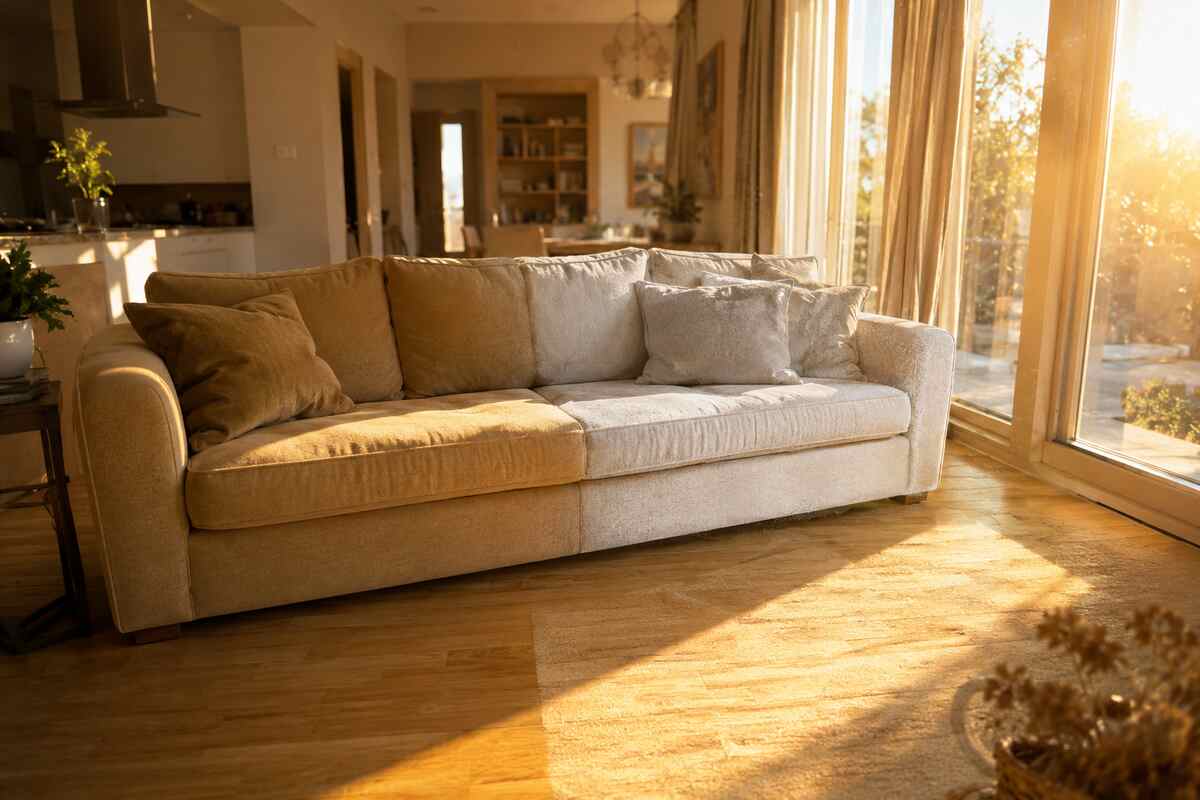
Stopping your furniture from fading in sunlight starts with understanding what sunlight is actually doing inside your home every day. Most homeowners do not notice the damage immediately because it happens gradually. A couch near the window starts looking slightly duller. Hardwood floors change color unevenly. Rooms with the most natural light begin feeling hotter and harder to keep comfortable.
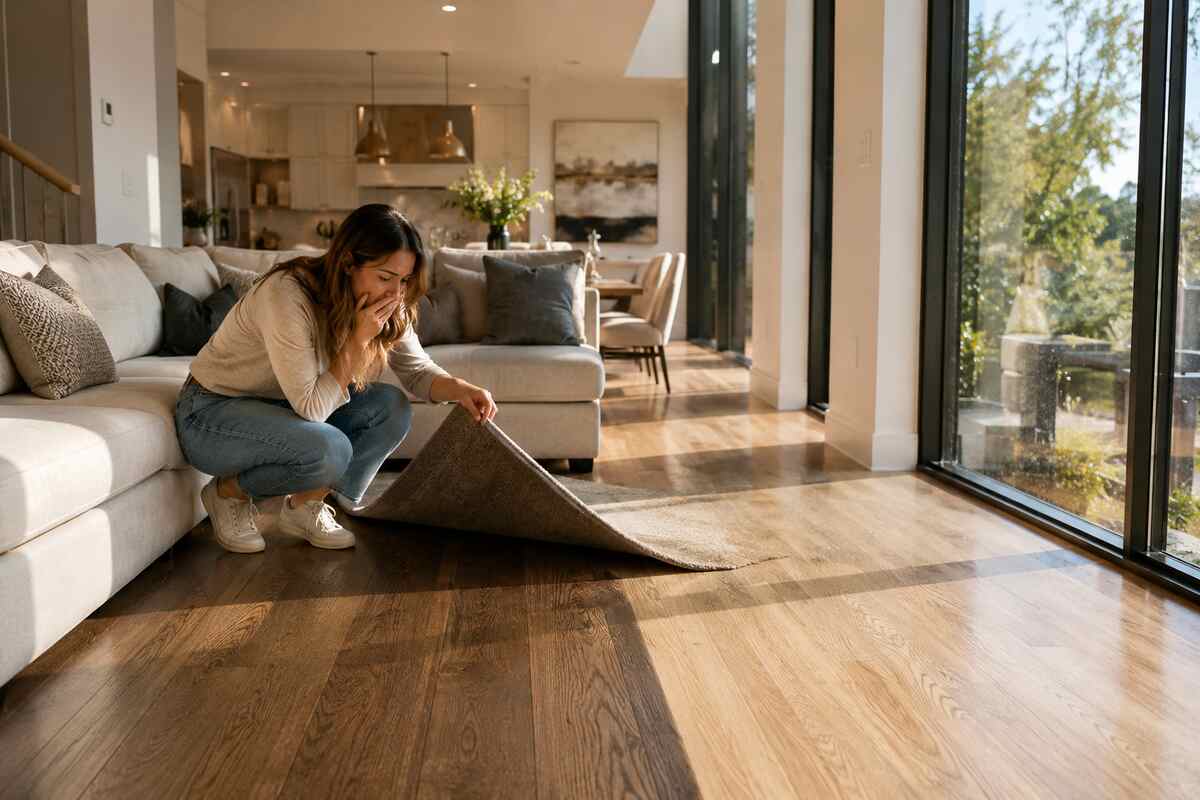
At first, these changes seem minor. Then one day, you move a rug or rearrange furniture and realize how much fading has already happened.
The problem is that standard residential windows still allow significant UV exposure and solar heat to pass through the glass. Over time, that exposure slowly damages flooring, furniture, curtains, artwork, and other interior surfaces, especially in homes with large windows and open floor plans.
Many homeowners try managing the issue with blinds or curtains, but that often creates another frustration. The room becomes darker, natural light disappears, and the space no longer feels as comfortable or open as it once did.
The good news is that protecting your home does not necessarily require replacing your windows. Modern residential window film helps reduce UV exposure, solar heat, and glare while preserving the natural brightness homeowners want from their living spaces.
What Actually Causes Furniture and Floors to Fade?
Most homeowners assume heat is the main reason furniture fades near windows, but ultraviolet rays are usually the biggest culprit. Sunlight carries invisible UV radiation that slowly breaks down the chemical bonds inside fabrics, wood finishes, flooring materials, artwork, and upholstery. Over time, those materials lose their original color, texture, and strength.
The process is gradual, which is why many people do not notice it immediately. A couch may fade unevenly over several summers. Hardwood floors may change color around rugs or furniture placement. Curtains closest to the windows often lose vibrancy first because they absorb direct sunlight for hours every day.
Visible light also contributes to fading, even though it is less aggressive than UV exposure. Bright natural light continuously hitting the same surfaces accelerates discoloration over time. Combined with solar heat, the damage becomes more severe because elevated temperatures speed up the deterioration process inside fabrics, wood stains, and protective coatings.
This is especially noticeable in rooms with:
Large west-facing windows
Open floor plans with extended sun exposure
Upstairs spaces that trap more heat
Minimal shade from surrounding trees or structures
Many modern homes unintentionally create ideal conditions for interior fading. Expansive windows bring in more natural light, but they also increase the amount of UV radiation and solar energy entering the home throughout the day.
One of the most misunderstood parts of this problem is that standard residential windows are not designed to fully stop UV exposure. While most modern glass blocks a portion of ultraviolet rays, significant amounts can still pass through untreated windows and continue damaging interior surfaces year after year.
That is why fading often happens faster near windows than homeowners expect. The sunlight reaching those areas is not just bright. It is actively breaking down materials every single day, even when temperatures inside the room feel comfortable.
Why Homes With Large Windows Fade Faster
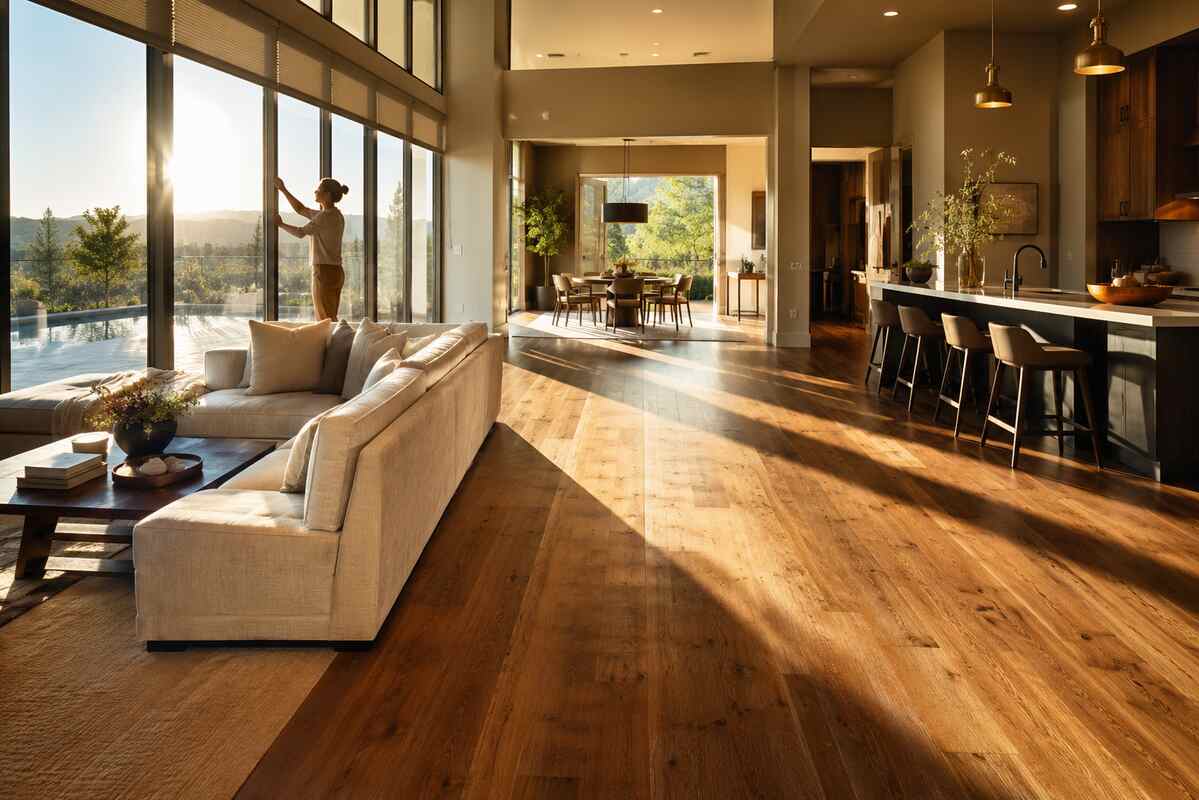
Large windows are one of the most desirable features in modern homes. They make rooms feel larger, bring in natural light, and create a more open living environment. But they also increase the amount of direct solar exposure entering the home every single day.
That becomes a problem when sunlight continuously reaches the same furniture, flooring, and interior surfaces for years at a time.
Modern Home Design Increases Sun Exposure
Many homes throughout North Metro Atlanta are designed with open floor plans, oversized windows, tall entryways, and expansive living areas. These layouts create bright interiors that homeowners love, but they also allow sunlight to travel farther into the home without interruption.
Instead of sunlight affecting one isolated area, UV exposure spreads across multiple connected spaces throughout the day. Living rooms, kitchens, dining areas, hallways, and upstairs lofts can all experience ongoing solar exposure from the same bank of windows.
The larger the glass area, the more ultraviolet radiation, heat, and visible light enter the home. Over time, that repeated exposure accelerates fading in:
Hardwood floors
Upholstery
Rugs
Curtains
Wood cabinetry
Artwork and framed photos
What makes the damage difficult to notice early is that fading rarely happens evenly. One section of flooring may lighten faster than another. A couch arm facing the windows may discolor before the rest of the furniture. Many homeowners only recognize the extent of the issue after moving furniture or replacing décor years later.
South- and West-Facing Windows Create Stronger Heat and UV Exposure
Window direction also plays a major role in how quickly interiors fade. South-facing and west-facing windows typically receive the most intense sunlight during the day, especially in the afternoon when solar heat peaks.
This is why certain rooms often become noticeably hotter than the rest of the home. Upstairs bedrooms, bonus rooms, and large living areas with heavy sun exposure tend to absorb more heat for longer periods. In many cases, homeowners begin adjusting blinds constantly or lowering the thermostat just to make those rooms comfortable.
Unfortunately, blinds and curtains only reduce part of the problem. Even when partially closed, untreated windows still allow significant UV radiation to pass through the glass and continue damaging interior materials over time.
This creates a frustrating tradeoff for homeowners. They either live with excessive heat and fading or block out the natural light that made them love the room in the first place.
That is why many homeowners eventually start looking for solutions that preserve the brightness of the space while reducing the long-term effects of solar exposure.
Why Curtains and Blinds Don’t Fully Solve the Problem
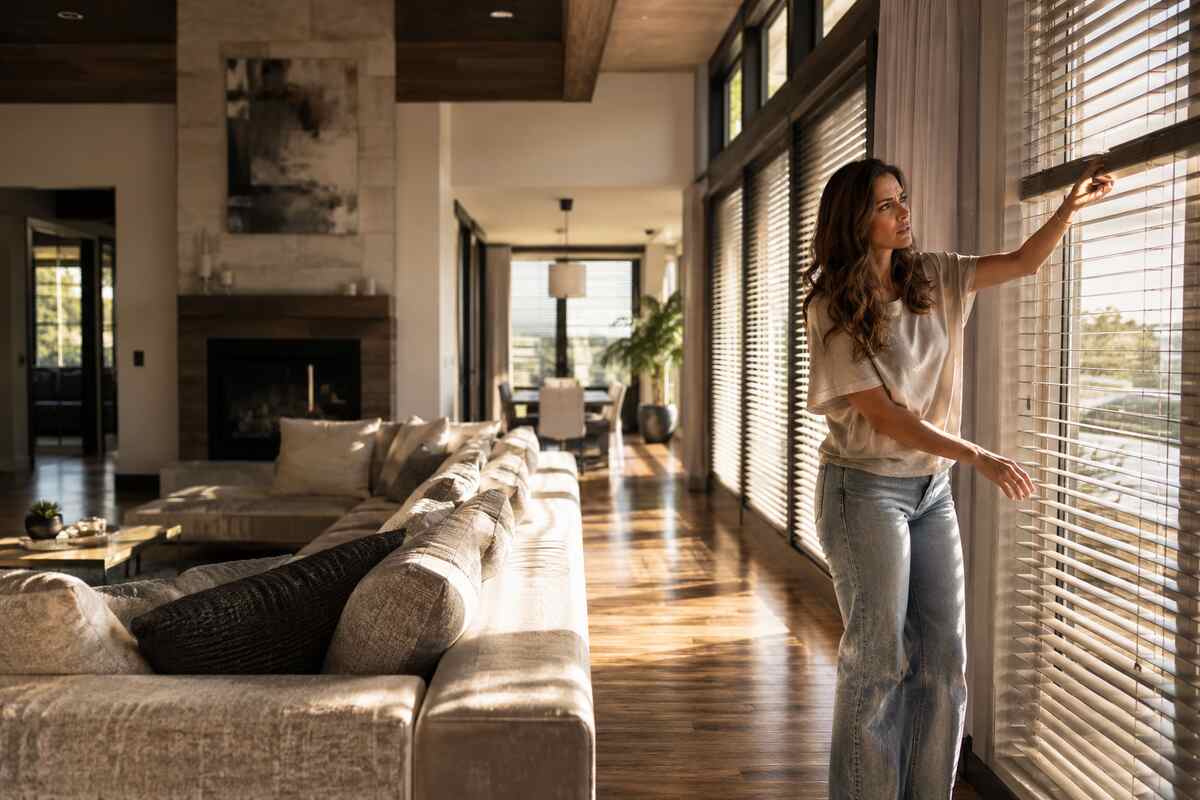
When homeowners first notice fading furniture, glare, or excessive heat near their windows, blinds and curtains are usually the first solution they try. Closing the blinds helps reduce brightness immediately, and heavier curtains can make rooms feel slightly cooler during the hottest parts of the day. The problem is that these solutions only address part of what is happening.
Blinds and curtains primarily block visible light, but they do not fully stop ultraviolet radiation from entering through the glass. Small gaps around window coverings, indirect sunlight, and daily exposure over time still allow UV rays to reach flooring, furniture, artwork, and fabrics throughout the room. This is why many homeowners continue noticing fading even when blinds are used regularly.
Another challenge is consistency. Most people do not keep blinds and curtains closed all day long because they want natural light inside the home. Windows are one of the reasons living spaces feel open, comfortable, and inviting in the first place. As a result, homeowners constantly adjust blinds throughout the day depending on glare, temperature, or sunlight direction. Over time, those repeated periods of exposure continue contributing to interior fading and heat buildup.
In homes with large windows or open floor plans, the issue often becomes even more noticeable. Sunlight spreads across wider areas of the home and reaches multiple surfaces throughout the day. Rooms with floor-to-ceiling windows, sliding glass doors, or west-facing exposure can become difficult to manage comfortably using blinds alone.
Many homeowners eventually feel stuck between two frustrating choices. They either keep blinds closed and lose the natural brightness they enjoy, or they leave windows open and continue dealing with heat, glare, and long-term fading.
That is why residential window film has become a more appealing solution for many homeowners. Instead of blocking natural light entirely, professionally installed window tint helps reduce UV exposure and solar heat directly at the glass level while allowing the home to remain bright and usable throughout the day.
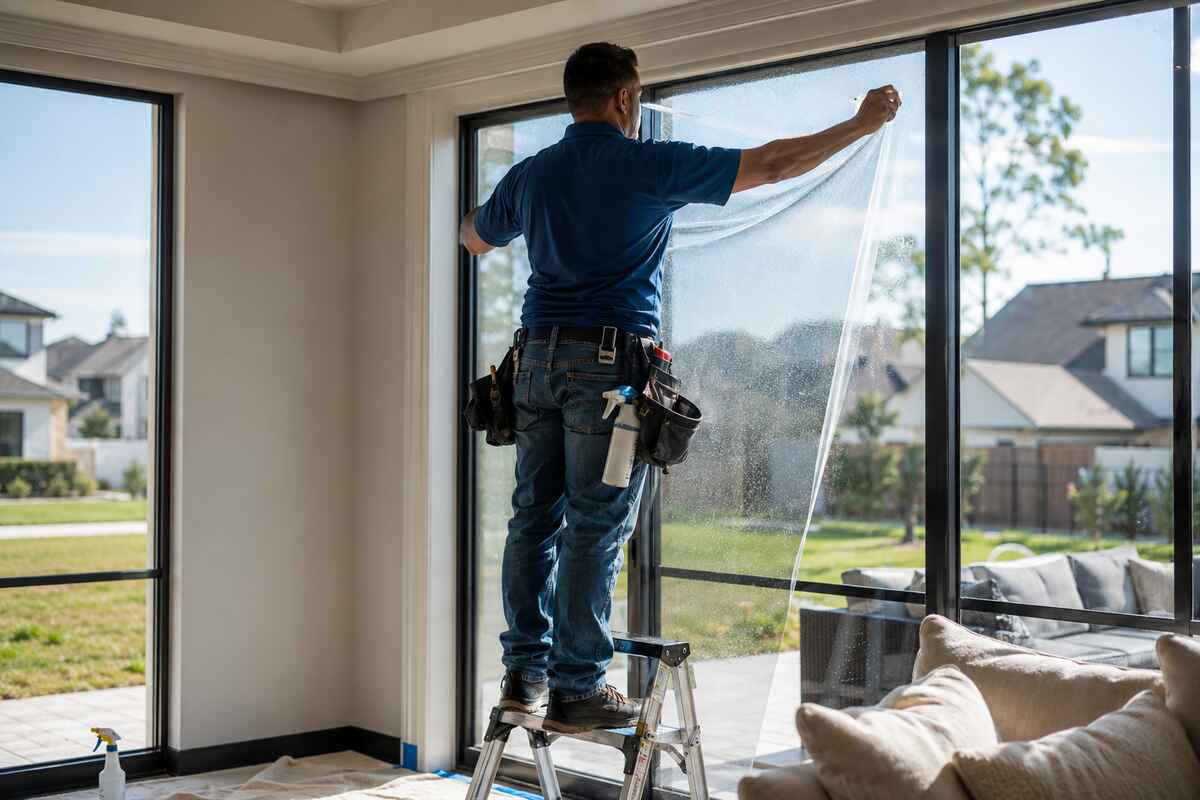
How Residential Window Film Helps Protect Your Home
Most homeowners start researching residential window tint after they notice one of two problems: fading interiors or rooms that never seem to stay comfortable. What many discover is that both issues often come from the same source, excessive solar exposure passing through untreated windows every day.
Residential window film is designed to help control that exposure without changing the overall appearance of the home.
Unlike blinds or curtains, window film works directly at the glass level. Once professionally installed, the film continuously helps reduce ultraviolet rays, solar heat, and glare before they spread throughout the room. That allows homeowners to keep natural light while improving comfort and protecting interior surfaces at the same time.
UV Protection Helps Preserve Interior Surfaces
One of the biggest advantages of modern residential window tint is UV rejection. Premium residential window films can block up to 99% of harmful ultraviolet rays, which are the primary cause of fading in furniture, flooring, curtains, and décor.
That protection helps preserve:
Hardwood floors
Upholstery
Area rugs
Wood cabinetry
Artwork and framed photos
Curtains and blinds
For many homeowners, the goal is not simply making the room cooler. It is protecting the long-term appearance and value of the home itself.
Without protection, UV exposure continues every day whether the damage is immediately visible or not. Window film helps reduce that ongoing deterioration while allowing homeowners to continue enjoying the natural brightness of their space.
Heat Reduction Improves Comfort Throughout the Home
Solar heat is another major issue in homes with large windows. Direct sunlight entering through untreated glass increases indoor temperatures, especially in west-facing rooms and upstairs living areas.
This is why certain spaces often feel uncomfortable during the afternoon even while the air conditioning is running constantly.
Residential solar window film helps reduce the amount of heat entering through the glass, which can improve comfort in rooms that previously felt difficult to cool. Many homeowners notice that:
Rooms maintain temperature more consistently
Hot spots become less intense
Glare decreases during peak sunlight hours
The HVAC system does not need to work as aggressively throughout the day
The result is a home that feels more balanced and usable without relying on closed blinds or constantly adjusting the thermostat.
Modern Residential Window Film Is Designed to Stay Subtle
One of the biggest misconceptions about residential window tint is that it will make a home look dark or reflective from the outside. In reality, modern residential films are available in a wide range of low-profile options designed specifically for residential aesthetics.
Many films are nearly invisible once installed. They are engineered to reduce UV and heat while preserving the clean, natural appearance homeowners want from their windows.
For homeowners who value both comfort and design, that balance matters. The goal is not to change the character of the home. It is to improve performance while maintaining the look and feel of the space.
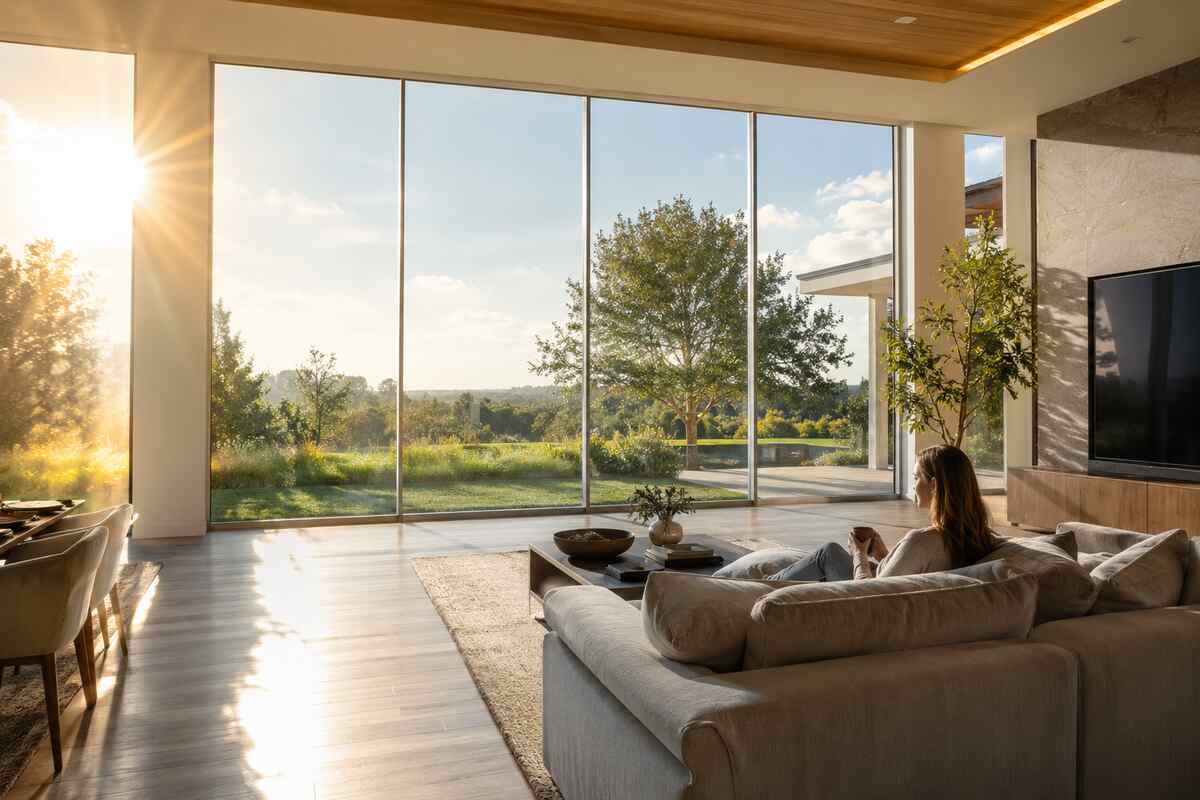
Does Window Film Make Your Home Dark?
One of the biggest reasons homeowners hesitate to explore residential window tint is the fear that it will make their home feel dark inside. Many people picture reflective office buildings or heavily tinted car windows and assume residential film will dramatically change the appearance of the glass. Modern residential window film is designed very differently.
Today’s premium films are engineered to reduce UV exposure, glare, and solar heat while still preserving the natural brightness of the home. In many cases, the film is barely noticeable once installed. Homeowners still enjoy natural light and outdoor visibility, but the harshness of direct sunlight becomes much more manageable throughout the day.
This matters because most homeowners are not trying to darken their living spaces. They simply want rooms to feel more comfortable without constantly closing blinds or dealing with excessive heat and fading near windows.
The right residential window tint helps create that balance. It allows natural light to remain part of the home while helping reduce the solar exposure that causes discomfort and long-term interior damage.
Different films also create different results. Some prioritize maximum heat reduction, while others focus more on clarity, UV protection, or glare control. The best option depends on the layout of the home, the direction of the windows, and how much sunlight the space receives throughout the day.
For example, a west-facing living room with intense afternoon sun may require a different film than a shaded office that only needs mild glare reduction. That is why professional consultation matters. The goal is to recommend a film that improves comfort and protection without changing the overall feel of the space unnecessarily.
Many homeowners are surprised by how natural their home still looks after installation. Instead of making rooms feel darker, professionally selected residential window film often makes spaces feel more usable because glare and heat no longer dominate the room during peak sunlight hours.
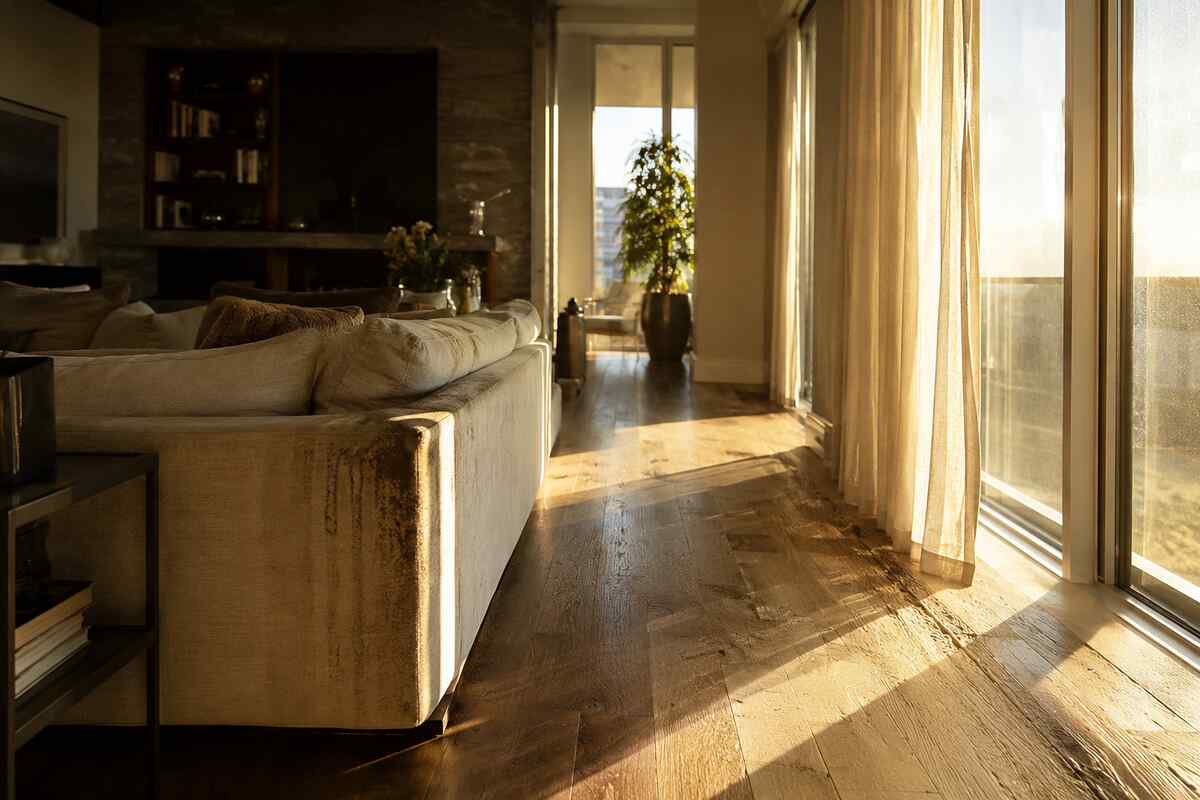
Signs Sun Damage Is Already Happening Inside Your Home
Most homeowners do not notice sun damage immediately because the changes happen slowly over time. The fading is gradual. The heat buildup becomes routine. People adjust to the discomfort little by little until the room no longer feels the way it once did.
By the time the damage becomes obvious, interior surfaces have often been exposed to years of continuous UV radiation and solar heat.
Uneven Fading Is One of the First Warning Signs
One of the clearest indicators of excessive sun exposure is uneven discoloration throughout the home. This often becomes noticeable when furniture is moved or rugs are lifted for the first time in years.
Homeowners commonly notice:
Hardwood floors darker beneath rugs
Furniture fading more heavily near windows
Curtains losing color on one side
Artwork becoming dull or discolored
Wood finishes appearing uneven across the room
These changes happen because sunlight rarely affects every surface equally. Areas receiving direct exposure for several hours a day naturally deteriorate faster than shaded sections of the room.
In many homes, the damage becomes most visible in west-facing rooms where afternoon sunlight is strongest, and temperatures remain elevated longer throughout the day.
Certain Rooms Become Increasingly Uncomfortable
Heat buildup is another major sign that untreated windows are allowing too much solar energy into the home.
Many homeowners begin noticing that:
Upstairs bedrooms stay warmer than the rest of the house
Living rooms become uncomfortable during the afternoon
Certain seats near windows feel noticeably hotter
The air conditioning runs constantly without fully solving the issue
Glare makes televisions or screens difficult to see during daylight hours
At first, these problems seem manageable. People close blinds more often or lower the thermostat slightly. But over time, rooms become less functional because the underlying issue never actually changes.
This is why many homeowners start avoiding certain spaces during peak sunlight hours altogether. The room may still look beautiful, but it no longer feels comfortable to use consistently.
Permanent Damage Often Happens Before Homeowners Realize It
One of the biggest challenges with UV-related fading is that much of the deterioration cannot be reversed once it happens. Fabrics, wood stains, flooring finishes, and interior dyes gradually break down under repeated exposure.
Replacing faded furniture, refinishing hardwood floors, or restoring damaged materials can become far more expensive than homeowners initially expect.
That is why early signs of sun damage matter. Fading furniture is often not an isolated issue. It is usually an indication that the home is receiving more solar exposure than the interior materials were designed to handle long-term.
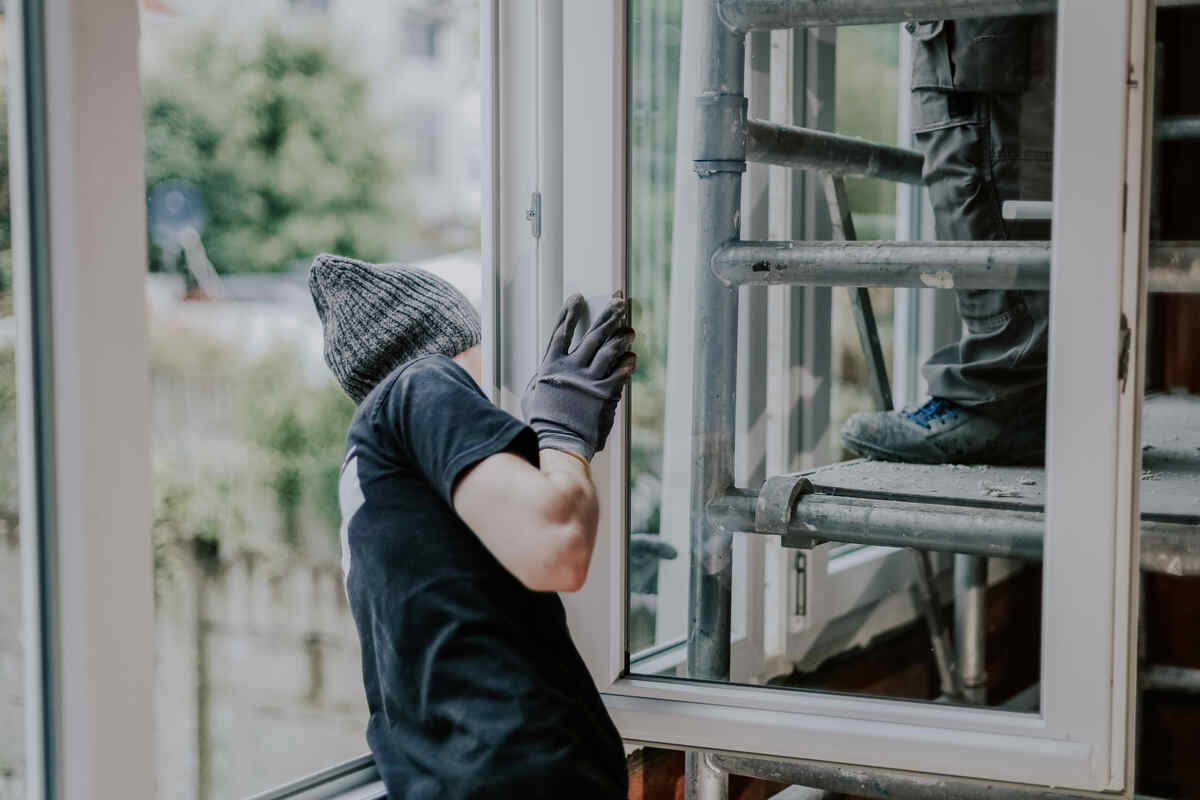
Why Replacing Windows Isn’t Always Necessary
When homeowners start noticing fading furniture, rising indoor temperatures, or excessive glare, many assume full window replacement is the only serious solution. But replacing every window in a home can become a costly and disruptive project, especially when the existing windows are still structurally sound.
In many cases, the real issue is not the window itself. It is the amount of UV radiation and solar heat still passing through the glass every day.
Residential window film is designed to improve the performance of existing windows without removing or replacing them. Professionally installed window tint helps reduce UV exposure, solar heat, and glare while preserving the appearance of the home and maintaining natural light indoors.
For homeowners dealing with hot rooms or fading interiors, this can be a much more practical first step than beginning a full window replacement project.
Another reason homeowners explore residential window tint is cost efficiency. Large-scale window replacement projects often involve substantial material costs, installation labor, interior touch-up work, and longer project timelines. In contrast, residential solar film can often improve comfort and UV protection with far less disruption to the home.
That does not mean window replacement is never necessary. Homes with damaged frames, failing seals, or outdated single-pane glass may still benefit from replacement. But many homeowners are surprised to learn their existing windows can often perform significantly better with the right professionally installed film.
For people who love the look of their home but want better comfort and protection, residential window tint offers a way to upgrade performance without changing the character of the space. The goal is not simply to reduce heat. It is preserving the comfort, appearance, and long-term value of the home more strategically.
How to Choose the Right Residential Window Film
Not all residential window films perform the same way. Two films may look nearly identical on the glass while delivering completely different levels of heat reduction, UV protection, glare control, and overall comfort.
That is why choosing the right residential window tint involves more than simply selecting the darkest option or the lowest price.
The first step is understanding the specific problem you are trying to solve. Some homeowners are primarily concerned about fading furniture and hardwood floors. Others are focused on reducing heat in upstairs rooms or minimizing glare in living spaces with large windows. In many homes, the goal is balancing several concerns at once without changing the appearance of the home.
The direction and placement of the windows also matter significantly. West-facing windows often receive intense afternoon sun and higher heat buildup, while large south-facing windows may expose interiors to prolonged sunlight throughout the day. A film that performs well in one room may not be the best solution for another area of the home.
Performance specifications are another important factor homeowners often overlook. High-quality residential window films are typically evaluated based on:
UV rejection
Solar heat reduction
Visible light transmission
Glare reduction
Clarity and reflectivity
The right balance depends on the homeowner’s priorities. Some films maximize heat rejection, while others preserve a brighter, more natural appearance with lighter visibility changes.
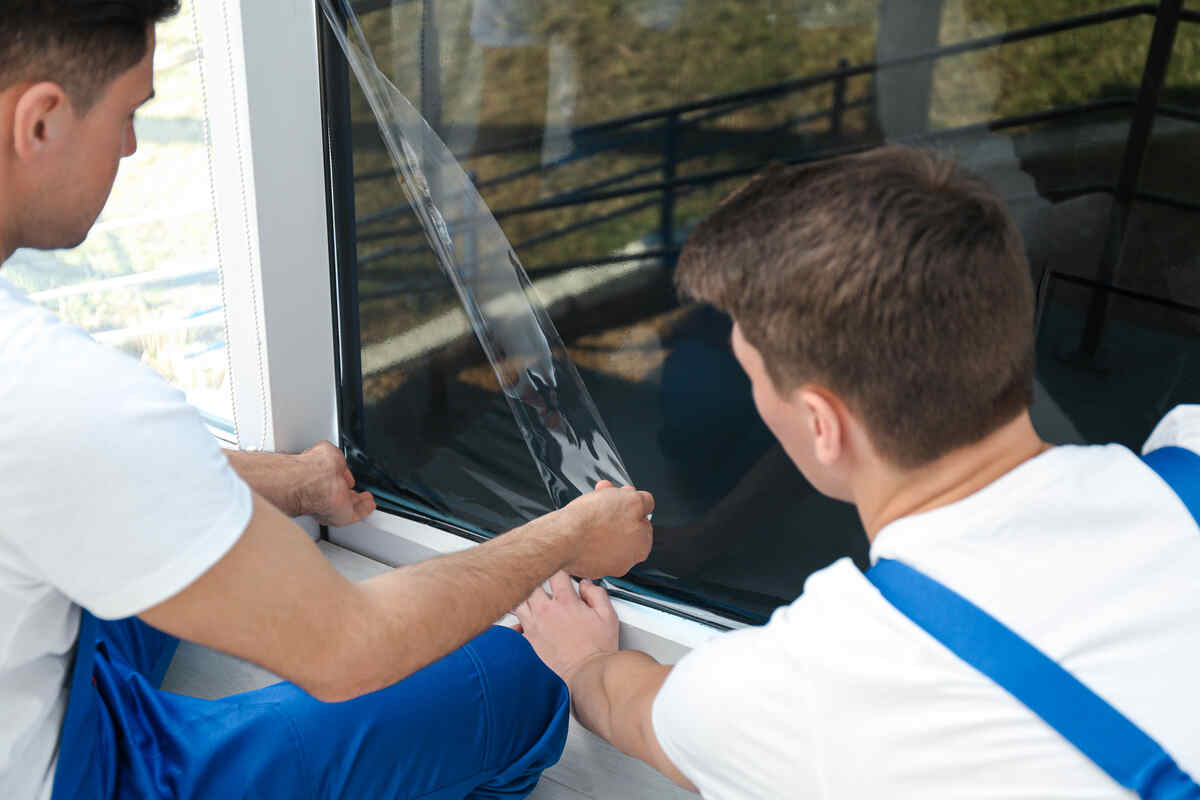
Installation quality matters just as much as the film itself. Even premium residential window film can perform poorly if installed incorrectly. Issues like contamination, uneven alignment, bubbling, or poor edge finishing affect both appearance and long-term durability.
That is why many homeowners prioritize working with experienced professionals who can explain the differences between film options clearly instead of pushing a one-size-fits-all recommendation.
A proper consultation should focus on:
The layout of the home
Window orientation
Comfort concerns
Interior protection goals
Aesthetic preferences
Long-term performance expectations
The best residential window tint solution is usually the one that feels balanced. It should improve comfort, reduce solar exposure, and protect interior surfaces while still preserving the natural look and feel of the home.
Protect Your Home Before Sun Damage Becomes Permanent
Furniture fading is rarely just a cosmetic issue. In most homes, it is an early warning sign that excessive UV exposure and solar heat are already affecting the comfort, appearance, and long-term condition of the space. The longer interiors remain exposed to untreated sunlight, the more difficult and expensive it becomes to reverse the damage.
Residential window film gives homeowners a way to protect what they have already invested in without sacrificing the natural light that makes the home feel open and comfortable. By reducing UV exposure, glare, and solar heat, professionally installed residential window tint helps preserve flooring, furniture, artwork, and living spaces while improving daily comfort throughout the home.
The right solution depends on your windows, your layout, and how your home experiences sunlight throughout the day. That is why choosing the right film starts with understanding the specific challenges inside your space rather than applying a one-size-fits-all recommendation.
If you are noticing fading furniture, hotter rooms, excessive glare, or rising cooling costs, The Tint Smith can help you evaluate the best residential window film options for your home. Request a free quote to explore solutions designed to improve comfort, preserve interiors, and protect the long-term value of your home.