
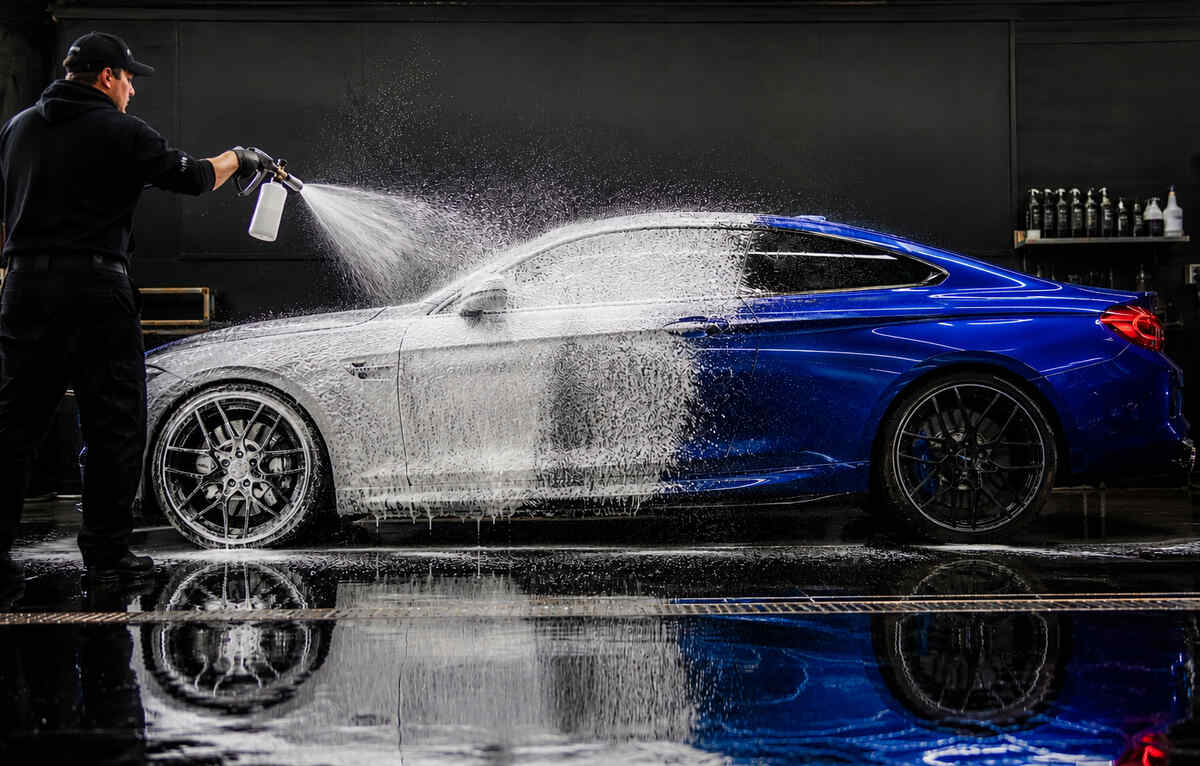
The Hidden Cost of Skipping Proper Detailing
Many vehicle owners view detailing as a luxury. If the vehicle looks reasonably clean and drives well, detailing can feel like an unnecessary expense that can always wait until later.
The problem is that much of the damage detailing helps prevent develops slowly. Sun exposure, environmental contaminants, interior wear, and neglected surfaces gradually reduce a vehicle's appearance, condition, and value long before obvious signs of deterioration appear.
By the time fading paint, stained interiors, oxidation, or other issues become visible, the cost of correcting the damage is often far greater than the cost of preventing it. What seems like a savings today can become a much larger expense tomorrow.
Proper detailing is not simply about appearance. It is a form of preventative maintenance that helps protect your vehicle's condition, preserve resale value, and reduce the long-term cost of ownership. Understanding the hidden cost of neglect starts with understanding what detailing is really designed to do.
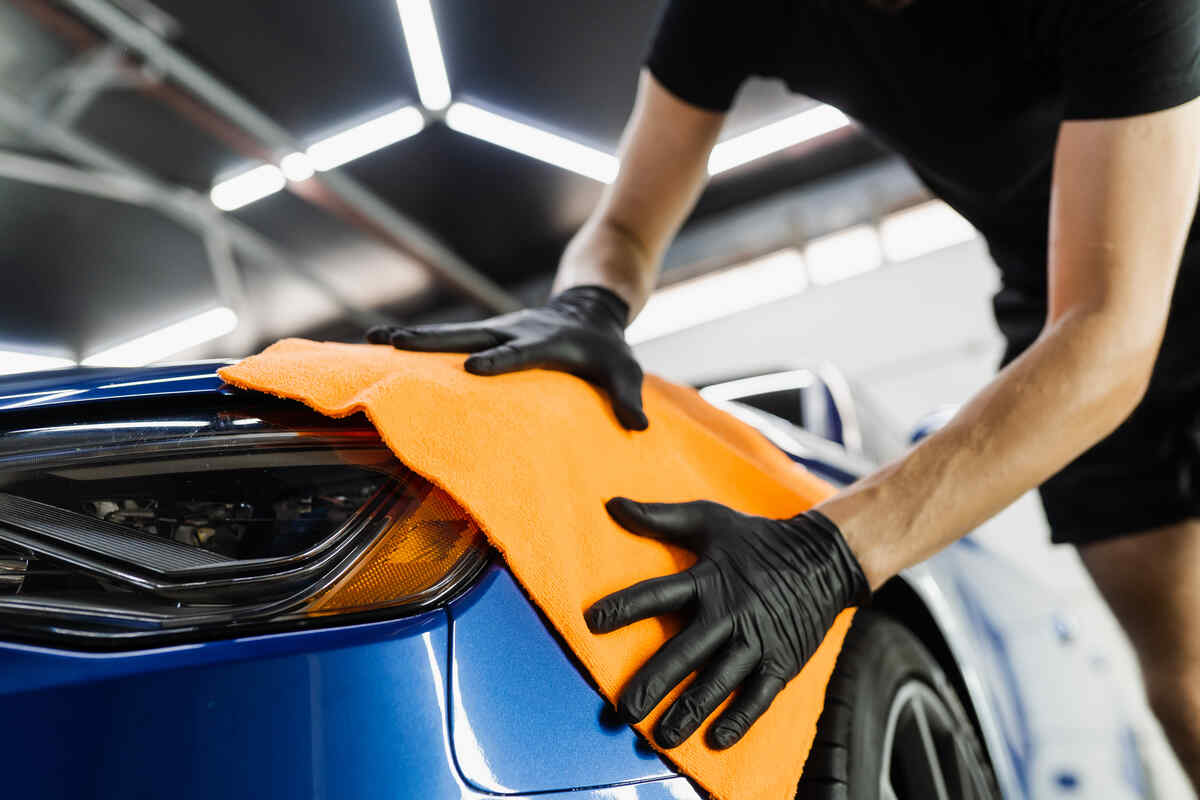
The Real Purpose of Proper Vehicle Detailing
Once you understand what detailing is not, it becomes easier to understand what it is actually designed to do. At its core, professional detailing is a protection and preservation service. The goal is not simply to make a vehicle look impressive when it leaves the shop. The goal is to help maintain the condition, performance, and value of the vehicle over time.
Every day, your vehicle is exposed to forces that gradually work against it. Sunlight breaks down paint and interior materials. Road grime, bug residue, bird droppings, and environmental contaminants attack exterior surfaces. Dirt and debris work their way into carpets, upholstery, and hard-to-reach interior areas. Left unchecked, these factors slowly accelerate wear and reduce the overall condition of the vehicle.
Proper detailing interrupts that process. Through deep cleaning, decontamination, surface correction, and protective treatments, detailing helps remove harmful contaminants before they can cause long-term damage. It restores surfaces closer to their original condition while creating a stronger foundation for future protection.
This is why many vehicle owners who are focused on long-term ownership, resale value, or overall vehicle preservation include detailing as part of their regular maintenance routine. They recognize that preserving a vehicle requires more than changing fluids and replacing worn parts. The exterior and interior need ongoing care as well.
Think about how most people approach vehicle maintenance. Few would question the value of changing engine oil before problems develop. They understand that preventative maintenance is significantly less expensive than replacing an engine. The same principle applies to detailing. Regular maintenance and protection help reduce the likelihood of costly paint correction, interior restoration, or value loss later.
For many vehicles, appearance and condition directly influence resale and trade-in value. A vehicle that has been consistently maintained often presents better, photographs better, and creates greater buyer confidence. Prospective buyers may not know the full maintenance history, but they immediately notice when a vehicle looks cared for. That perception can influence both purchase decisions and perceived value.
When viewed through this lens, detailing becomes much more than a cosmetic service. It becomes a practical strategy for protecting an asset, preserving ownership pride, and reducing the long-term cost of neglect. The vehicle may look better after a professional detail, but the lasting benefit is the protection that continues long after the shine fades.
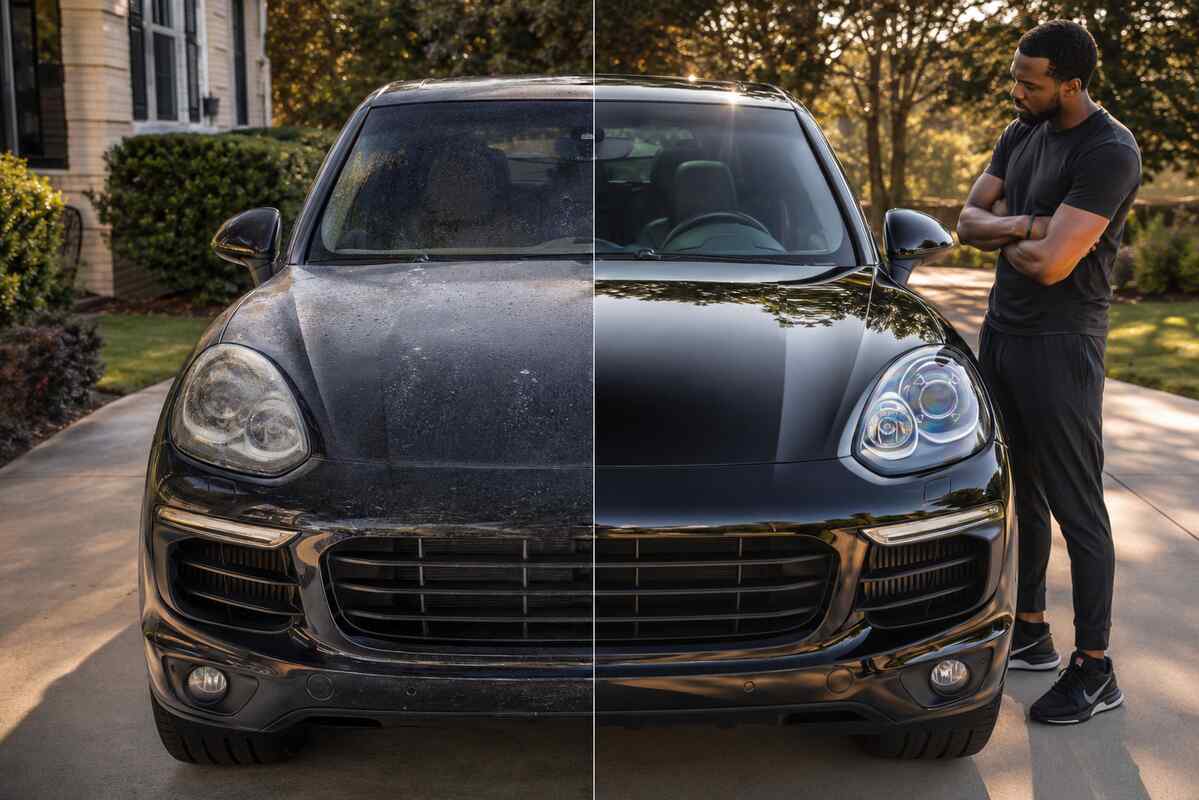
Hidden Cost #1: Accelerated Paint Damage
Paint damage rarely happens all at once. Most vehicle owners do not wake up one morning and discover that their paint has suddenly failed. Instead, the deterioration happens gradually through months and years of exposure to sunlight, contaminants, moisture, and environmental pollutants.
One of the biggest misconceptions about automotive paint is that a vehicle only needs attention when visible problems appear. In reality, damage often begins long before oxidation, fading, water spots, or clear coat failure become noticeable. Every day your vehicle sits outside, its paint is exposed to ultraviolet rays, airborne contaminants, bird droppings, bug residue, road grime, and industrial fallout. Each of these elements slowly breaks down the protective layers that keep the finish looking its best.
Routine washing helps remove surface dirt, but it does not always eliminate the contaminants that bond to the paint. Over time, these particles can become embedded in the surface and create microscopic damage. As contaminants accumulate, they can accelerate oxidation, increase surface roughness, and reduce the effectiveness of any existing protective products.
Sun exposure presents another major threat, particularly in Georgia's climate. Prolonged sun damage gradually degrades paint and clear coat finishes. What begins as a vibrant, glossy surface can eventually become dull, faded, and lifeless. Once significant oxidation or clear coat failure occurs, the solution is no longer maintenance. It becomes correction, restoration, or, in severe cases, repainting.
This is where the cost difference becomes important. Preventative detailing is typically designed to clean, decontaminate, and protect paint before major damage develops. Paint correction, on the other hand, requires specialized labor, equipment, and significantly more time to restore neglected surfaces. The longer contaminants remain on the vehicle, the more difficult and expensive the correction process often becomes.
Vehicle owners who consistently invest in proper detailing understand that they are not paying for shine alone. They are protecting one of the most visible and valuable parts of their vehicle. A well-maintained finish helps preserve appearance, supports resale value, and reduces the likelihood of costly corrective work later.
When viewed over the life of a vehicle, the financial equation becomes clear. The cost of regular protection is often far less than the cost of repairing years of preventable paint damage. What seems like a savings today can become a much larger expense tomorrow.

Hidden Cost #2: Lower Resale and Trade-In Value
Most vehicle owners think about resale value when they are ready to sell or trade in their vehicle. The problem is that by that point, much of the value has already been gained or lost through years of maintenance decisions. The condition of a vehicle is not determined in the final month before a sale. It is determined by how well it has been cared for throughout ownership.
Potential buyers notice the condition immediately. Before they ask about mileage, service records, or vehicle features, they evaluate what they can see. Faded paint, neglected interiors, stained upholstery, scratched surfaces, and dull finishes create an impression that the vehicle has not been properly maintained. Whether that perception is accurate or not, it influences how buyers assess value.
Dealerships operate in a similar way. During trade-in evaluations, appearance and condition are important factors because they affect how easily the vehicle can be resold. A vehicle that presents well typically requires less reconditioning before it can be placed on a lot. A vehicle showing signs of neglect often requires additional work, and those anticipated costs are frequently reflected in the trade-in offer.
This is where proper detailing creates measurable value. Consistent maintenance helps preserve the condition of paint, trim, upholstery, carpets, and other visible surfaces. Instead of trying to restore years of neglect before a sale, owners who maintain their vehicles regularly are simply preserving what is already there.
The impact becomes even more significant for luxury vehicles, performance vehicles, trucks, and newer models. Buyers in these segments often place a premium on condition because they view the vehicle as an investment. A clean maintenance history paired with a well-preserved appearance creates confidence. Confidence often translates into stronger offers and faster sales.
There is also a psychological factor at play. When buyers see a vehicle that looks cared for, they tend to assume the owner applied the same level of attention to other aspects of maintenance. The opposite is true as well. Visible neglect raises questions about what may have been overlooked beneath the surface. Even if the vehicle is mechanically sound, that uncertainty can reduce perceived value.
Many owners focus on saving a few hundred dollars by delaying detailing over several years. Yet a neglected exterior or interior can easily cost far more when it comes time to sell or trade the vehicle. The irony is that some of the largest financial losses occur because of small maintenance decisions that seemed insignificant at the time.
Protecting resale value is not about chasing perfection. It is about preserving the condition. Professional detailing helps maintain the appearance and integrity of the vehicle so that when the time comes to sell, you are presenting an asset that reflects care, attention, and long-term ownership pride.
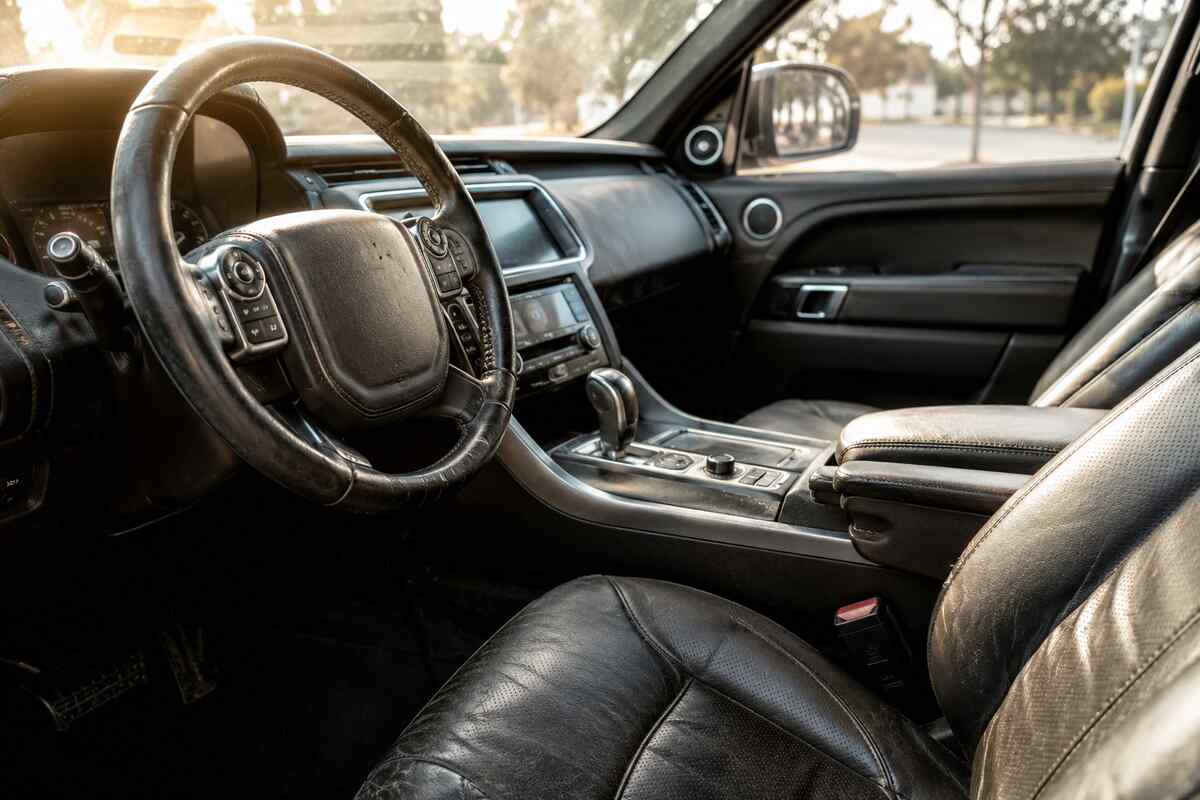
Hidden Cost #3: Interior Deterioration
While paint damage often gets the most attention, interior deterioration can be just as costly and, in some cases, even more difficult to reverse. The challenge is that interior wear develops slowly. Because vehicle owners see the same interior every day, many changes go unnoticed until the damage becomes obvious.
Sun exposure is one of the biggest contributors to interior aging. Even when a vehicle is parked for only a few hours each day, ultraviolet rays gradually break down materials throughout the cabin. Dashboards fade, plastic trim becomes brittle, leather dries out, and upholstery loses its original appearance. What starts as minor discoloration can eventually lead to cracking, warping, and permanent damage.
Daily use also takes a toll. Dirt, oils, dust, food particles, and moisture accumulate in carpets, seats, door panels, and hard-to-reach areas. Over time, these contaminants become embedded in surfaces and accelerate wear. Without proper cleaning and conditioning, materials begin to break down much faster than they otherwise would.
Leather interiors are particularly vulnerable. Many owners assume leather is naturally durable and requires little maintenance. In reality, leather needs regular cleaning and conditioning to maintain its flexibility and appearance. When neglected, it can become dry, stiff, and prone to cracking. Once significant cracking occurs, repair costs can quickly exceed what routine maintenance would have cost over several years.
Odors present another hidden issue. Moisture, spills, pet hair, food residue, and organic contaminants can become trapped within upholstery and carpeting. These odors often become more noticeable over time, especially in warmer climates. While surface cleaning may temporarily mask the problem, professional detailing addresses the deeper contaminants that contribute to persistent smells.
The condition of the interior also plays a significant role in resale value and buyer perception. A vehicle with a clean, well-maintained cabin immediately feels more valuable than one with stained carpets, worn surfaces, or noticeable odors. Buyers spend most of their time inside the vehicle, which means interior condition often has a greater influence on their overall impression than many owners realize.
Regular detailing helps slow the aging process by removing contaminants, conditioning materials, and protecting vulnerable surfaces before deterioration occurs. Rather than waiting until damage becomes visible, proactive maintenance helps preserve the comfort, appearance, and value of the vehicle for years to come.
The hidden cost of neglecting the interior is not simply cosmetic. It is the gradual loss of comfort, condition, and long-term value that occurs when preventable wear is allowed to accumulate unchecked.
Hidden Cost #4: More Expensive Repairs Later
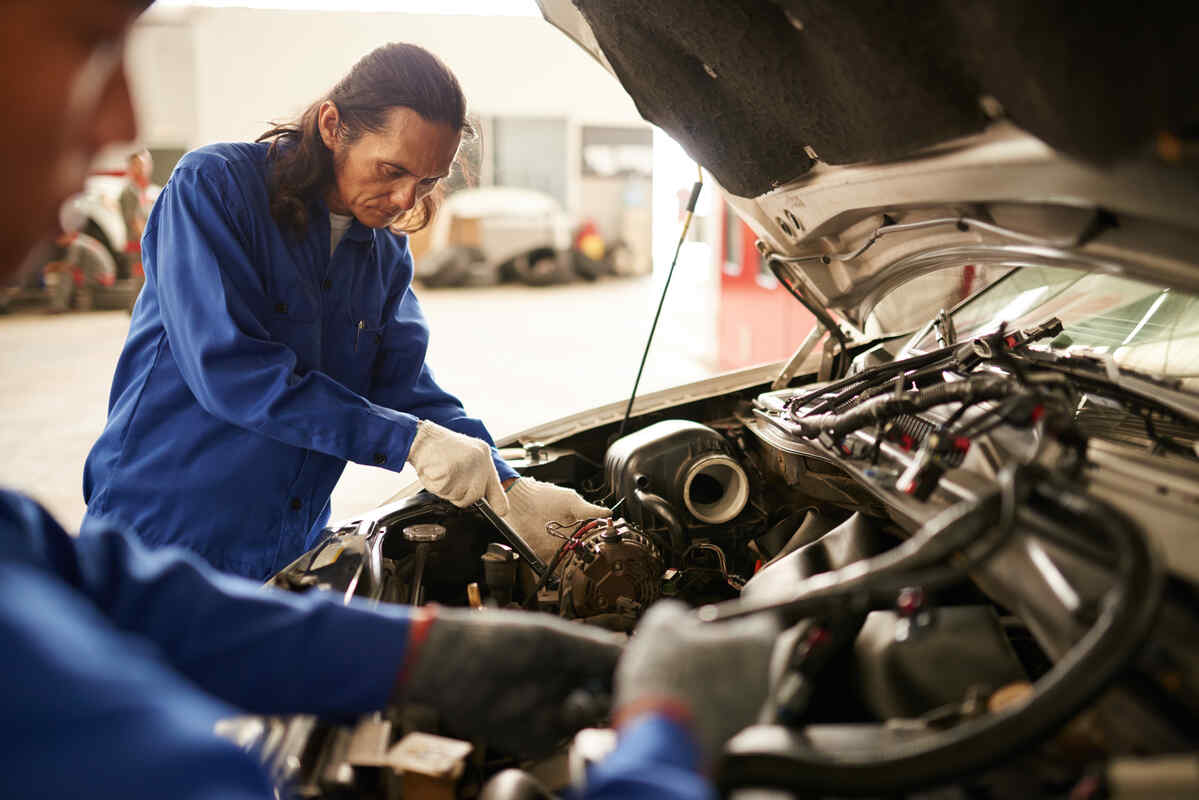
One of the biggest advantages of proper detailing is that it helps address small problems before they become large ones. This is the same principle behind every form of preventative maintenance. Whether it's changing engine oil, rotating tires, or replacing worn brake pads, the goal is to prevent minor issues from turning into major expenses. Detailing follows the same logic.
When contaminants remain on paint surfaces for extended periods, they can cause staining, etching, oxidation, and clear coat deterioration. What could have been resolved through routine decontamination and protection may eventually require extensive paint correction. In severe cases, repainting becomes the only option. The difference in cost between preventative care and corrective work can be substantial.
Interior materials follow a similar pattern. Leather that is regularly cleaned and conditioned is far less likely to crack or deteriorate prematurely. Carpets and upholstery that receive professional attention are less likely to develop permanent staining or embedded odors. Small maintenance efforts performed consistently help extend the lifespan of these materials and reduce the need for costly restoration work.
Even seemingly minor cosmetic issues can become expensive when ignored. Water spots that sit too long can permanently etch paint surfaces. Contaminants trapped against clear coat finishes can accelerate wear. Dirt and debris that accumulate in crevices, seams, and trim areas can contribute to long-term deterioration. None of these issues may seem significant at first, but they often become more difficult and expensive to address over time.
Vehicle owners sometimes delay detailing because they don't see an immediate problem. The vehicle still drives well. The paint still looks acceptable from a distance. The interior remains functional. Unfortunately, deterioration does not wait for convenience. Damage continues to accumulate whether it is visible or not.
Professional detailing helps identify and address these issues early. Through thorough inspections, cleaning, decontamination, and protective treatments, potential problems can often be managed before they require more intensive corrective services. This proactive approach not only protects the vehicle's appearance but also helps control long-term ownership costs.
The financial lesson is straightforward. Prevention is almost always less expensive than correction. Every vehicle owner eventually pays for maintenance in one form or another. The choice is often whether to invest in protecting the vehicle today or spend considerably more restoring it later.
When viewed over the lifespan of a vehicle, regular detailing is not an additional expense layered on top of ownership costs. It is a practical investment that can help reduce the larger expenses that often result from years of neglect.
Hidden Cost #5: The Ownership Experience
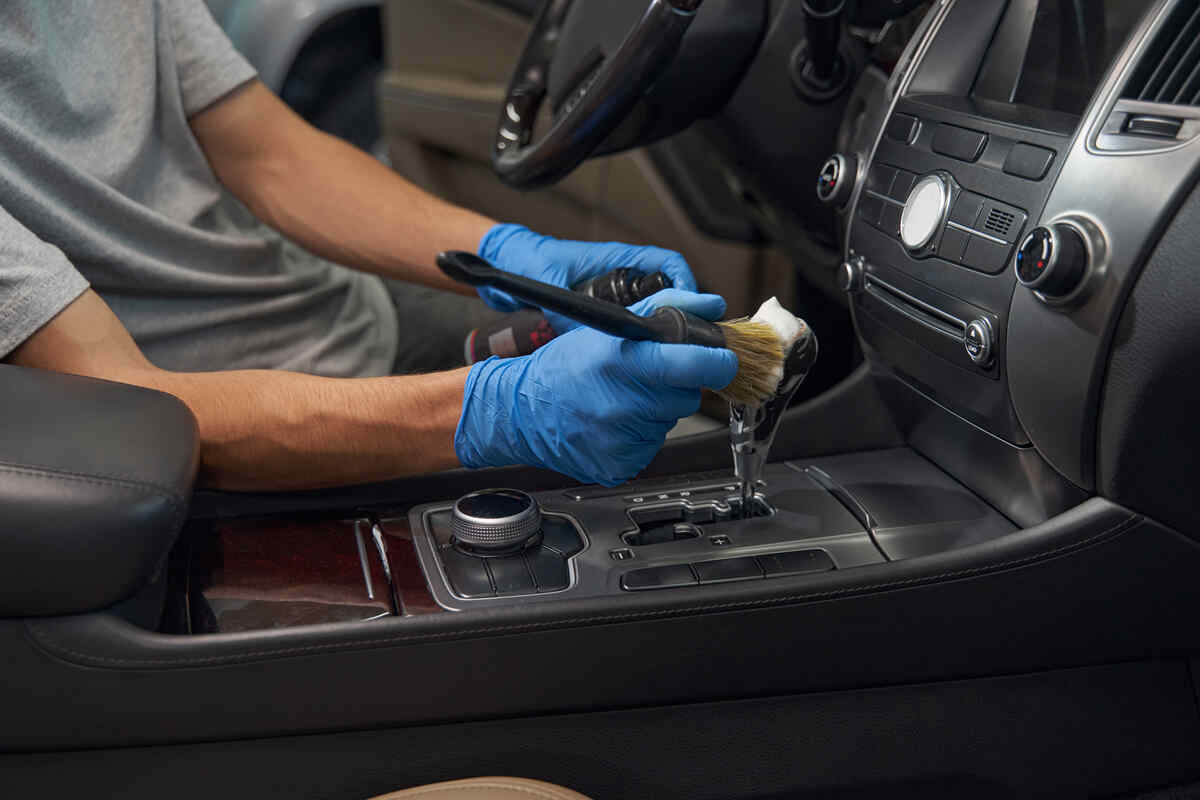
Not every cost associated with skipping proper detailing appears on a repair invoice or trade-in appraisal. Some costs are experienced every day behind the wheel. While they may be harder to measure, they still influence how owners feel about their vehicle and the pride they take in owning it.
Most people purchase a vehicle because it serves a practical purpose, but ownership is rarely purely functional. Whether it's a daily commuter, a family SUV, a work truck, or a performance vehicle, people generally want their vehicle to feel comfortable, clean, and well cared for. The condition of the vehicle directly impacts that experience.
A neglected vehicle often creates a subtle but noticeable sense of decline. Faded surfaces, stained carpets, cloudy paint, unpleasant odors, and accumulated clutter gradually become part of the driving experience. Owners may become accustomed to these changes over time, but that doesn't mean they stop affecting how the vehicle feels. What was once a source of pride can slowly begin to feel worn, dated, and neglected.
The opposite is also true. A properly maintained vehicle creates a different ownership experience altogether. Clean surfaces, protected paint, conditioned materials, and a fresh interior contribute to a sense of care and confidence. The vehicle feels more enjoyable to drive, more comfortable to spend time in, and more reflective of the owner's standards.
This is particularly true for people who view their vehicle as an investment. Many owners spend significant money purchasing a vehicle, upgrading features, and maintaining mechanical components. Yet some overlook the appearance and condition of the asset they worked hard to acquire. Protecting that investment is not solely about preserving financial value. It is also about preserving the experience that made the vehicle worth owning in the first place.
There is also a practical benefit to maintaining a vehicle's condition. Owners who regularly care for their vehicles are often more aware of changes, damage, or developing issues. Routine detailing creates opportunities to identify concerns early, whether that involves paint defects, interior wear, or other conditions that may require attention.
For many vehicle owners, the greatest reward of proper detailing is not the immediate shine after service. It is the confidence that comes from knowing their vehicle is being cared for correctly. The vehicle looks better, feels better, and retains the qualities that attracted them to it in the first place.
While ownership experience may not appear on a balance sheet, it remains an important part of the value equation. A vehicle that consistently feels clean, protected, and well-maintained delivers benefits that extend far beyond appearance alone.

Why People Delay Detailing Even When They Know Better
Most vehicle owners do not skip detailing because they believe vehicle protection is unimportant. They delay it because the consequences of neglect are rarely immediate. Unlike mechanical problems that often create obvious warning signs, paint damage, interior wear, and contamination develop gradually over time.
Cost and convenience also influence the decision. Many people view detailing as a cosmetic service rather than preventative maintenance, making it easier to postpone when schedules get busy or other expenses arise. The vehicle still looks acceptable, so the need does not feel urgent.
The challenge is that deterioration continues whether it is noticed or not. By the time damage becomes obvious, the cost of correction is often much higher than the cost of routine maintenance. What starts as a decision to save money today can ultimately lead to greater expenses down the road.
Detailing as an Investment, Not an Expense
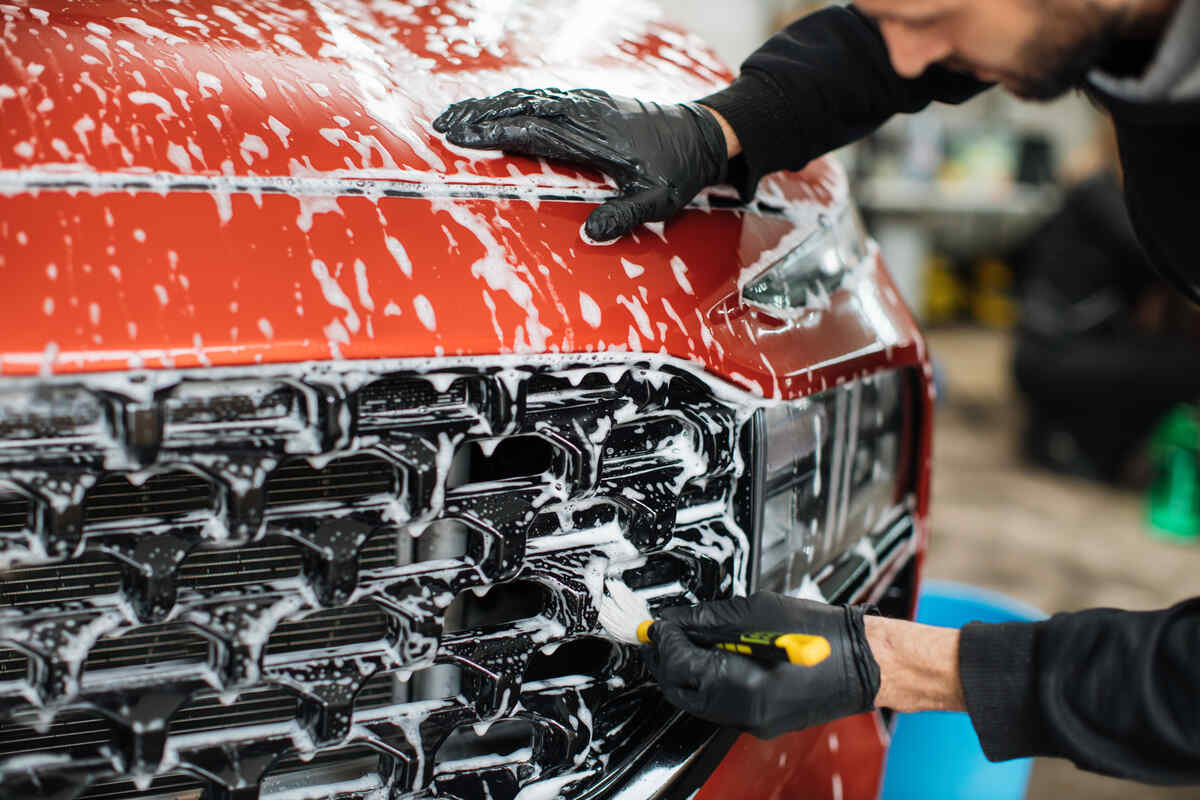
Many vehicle owners view detailing as an optional expense because they focus on the immediate cost of the service. The problem with this perspective is that it ignores the cost of neglect.
Over time, paint correction, interior restoration, stain removal, odor remediation, and lost resale value can cost far more than routine preventative care. Professional detailing helps protect the surfaces, materials, and overall condition that influence both ownership satisfaction and long-term vehicle value.
The same principle applies to every form of preventative maintenance. Vehicle owners do not change their oil because the engine has already failed. They do it to prevent failure. Proper detailing works the same way by helping reduce wear, preserve appearance, and protect against avoidable deterioration.
When viewed through the lens of long-term ownership, detailing becomes less about spending money and more about protecting an asset. The goal is not perfection. The goal is to preserve the value, condition, and enjoyment of your vehicle for years to come.
Protect the Value You Worked Hard to Build
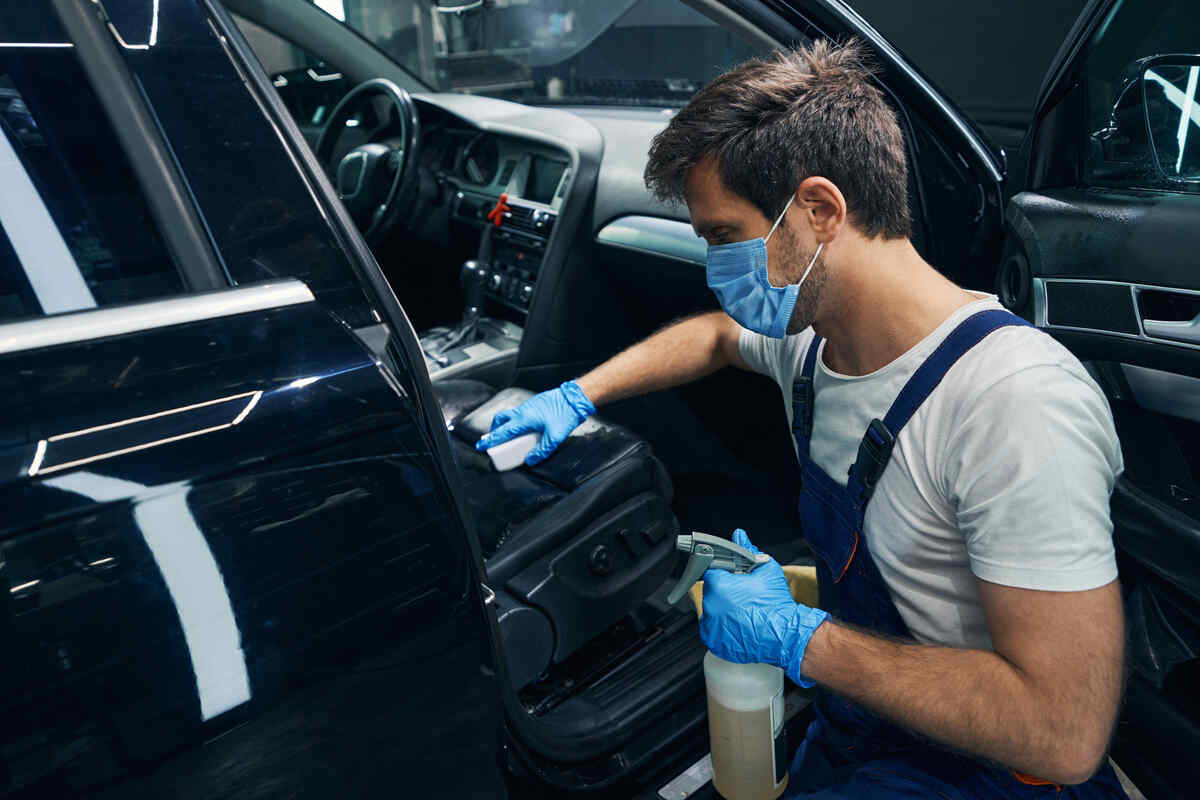
Every vehicle loses value over time, but neglect often accelerates that process. While many owners focus on the cost of detailing, the greater cost is often the damage that occurs when maintenance is delayed. Faded paint, worn interiors, stubborn stains, and reduced resale value rarely happen overnight. They are usually the result of small issues that were left unaddressed for too long.
Proper detailing helps protect against those avoidable losses. It preserves appearance, supports long-term value, and helps your vehicle continue looking and feeling its best for years to come. When viewed as part of a complete maintenance strategy, detailing becomes less about appearance and more about protecting an investment.
If your vehicle is showing signs of wear or if it's been longer than you care to admit since its last professional detail, now is the perfect time to take action. The sooner contaminants, wear, and deterioration are addressed, the easier and more cost-effective they are to manage.
For professional vehicle detailing, paint protection, ceramic coatings, and window tinting services, visit TintSmith Window Tinting at 402 Swanson Drive, Suite 102, Lawrenceville, GA 30043. Our team is committed to helping vehicle owners protect their investment through quality workmanship, attention to detail, and long-term protection solutions that are designed to stand the test of time.